
Top 5 Wild Guppy Species and Why They Are Perfect for a Nano Tank
March 1, 2025 Gold Fish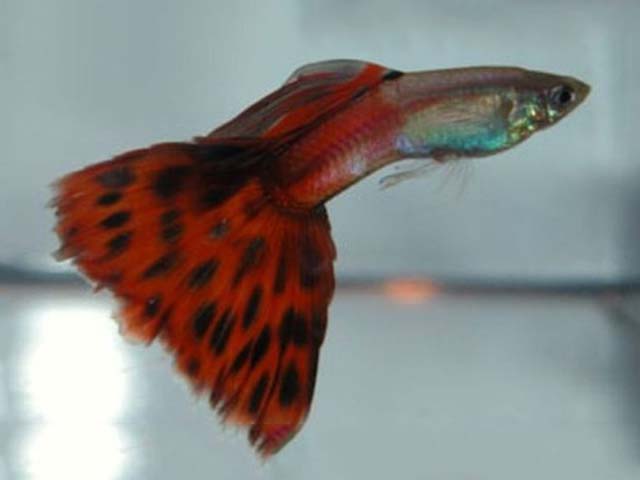
🧬 Top 5 Wild Guppy Species for Nano Tanks
1. Poecilia reticulata (True Wild Guppy)
🐠 Overview
The ancestor of all fancy guppies, Poecilia reticulata is found in the fresh and brackish waters of Venezuela, Trinidad, and Barbados. Wild males are smaller and more slender than their domestic counterparts but flash iridescent blues, greens, and oranges in sunlight.
🌿 Why It’s Perfect for Nano Tanks
-
Small adult size: males around 1 inch, females 1.5–2 inches
-
Peaceful nature and lively swimming make tanks feel dynamic
-
Thrive in planted, low-tech setups
-
Adapt easily to various water parameters
⚙️ Tank Setup Tips
-
Tank size: 10 gallons minimum for a trio
-
Water: 72–80°F, pH 6.8–7.8
-
Décor: Floating plants (Frogbit, Hornwort) + fine sand substrate
-
Tankmates: Cherry shrimp, endlers, or small rasboras
🍽️ Diet
Omnivorous — loves crushed flakes, micro worms, and baby brine shrimp. Occasional spirulina flakes enhance color vibrancy.
💡 Pro Tip: Provide natural sunlight exposure for an hour daily to bring out metallic hues.
2. Poecilia wingei (Endler’s Livebearer)
🐟 Overview
Discovered in Venezuela’s Campoma region, Endler’s livebearers are often mistaken for guppies — and for good reason. Genetically, they’re close cousins. These little jewels come in dazzling patterns and retain their wild-type energy.
🌿 Why It’s Perfect for Nano Tanks
-
Compact size: males barely reach 1 inch
-
Incredibly active and social — great for small aquascapes
-
Extremely hardy — tolerates small parameter swings
-
Breed easily but don’t overpopulate as quickly as guppies
⚙️ Tank Setup Tips
-
Tank size: 5–10 gallons for a small colony
-
Water: 74–80°F, pH 7.0–8.0
-
Décor: Dense floating plants + driftwood branches
-
Tankmates: Snails, shrimp, or peaceful micro fish
🍴 Diet
Crushed flakes, live foods, and frozen daphnia. Spirulina or algae wafers keep them healthy and colorful.
💡 Pro Tip: For stable genetics, avoid crossing with fancy guppies — hybrids lose the true Endler coloration.
3. Poecilia obscura (Trinidad Guppy)
🐠 Overview
A close relative of the common guppy, Poecilia obscura was only recognized as a separate species in the early 2000s. Native to mountain streams in Trinidad, these fish exhibit subtle pastel hues and a slim, torpedo-shaped body.
🌿 Why It’s Perfect for Nano Tanks
-
Adapted to soft, clear, oxygen-rich water
-
Natural group behavior — ideal for observation
-
Tough, resilient, and peaceful
-
Adds authenticity to biotope tanks
⚙️ Tank Setup Tips
-
Tank size: 10 gallons or larger for a small group
-
Water: 74–78°F, pH 6.5–7.5, moderate flow
-
Décor: Smooth river stones, Anubias, and mosses
-
Tankmates: Pencilfish, small Corydoras, or Otocinclus
🍤 Diet
High-protein diet preferred — live or frozen brine shrimp, bloodworms, and quality flakes.
💡 Pro Tip: Provide moderate current to mimic stream conditions. They enjoy swimming against the flow.
4. Poecilia picta (Swamp Guppy)
🐟 Overview
Found in coastal swamps and slow-moving rivers of South America, Poecilia picta stands out for its translucent body and iridescent blue-green sheen. Males display delicate black edging on their fins.
🌿 Why It’s Perfect for Nano Tanks
-
Small and calm — perfect for planted 5–10 gallon aquariums
-
Peaceful and compatible with shrimp and snails
-
Low aggression — great for beginners
-
Naturally beautiful in low light
⚙️ Tank Setup Tips
-
Tank size: 5 gallons or more
-
Water: 76–82°F, slightly brackish tolerance
-
Décor: Sand substrate, Java fern, and floating plants
-
Tankmates: Nerite snails, Amano shrimp, micro rasboras
🪱 Diet
Enjoys live food like mosquito larvae, baby brine shrimp, and small pellets. Supplement with spirulina for blues and greens.
💡 Pro Tip: Add a small amount of marine salt (1 tsp per 5 gallons) — mimics natural habitat and enhances color.
5. Micropoecilia parae (Parae Guppy)
🐠 Overview
A truly fascinating wild species from Guyana and Suriname, Micropoecilia parae males come in multiple color morphs — red, yellow, blue, and immaculata (dull gray). These natural morphs make each group unique.
🌿 Why It’s Perfect for Nano Tanks
-
Rare, exotic, and full of personality
-
Compact and peaceful — males max at 1.2 inches
-
Natural color diversity creates visual interest
-
Strong genetic lines for experienced hobbyists
⚙️ Tank Setup Tips
-
Tank size: 10 gallons for trio or small colony
-
Water: 77–82°F, pH 6.5–7.2
-
Décor: Dark sand, driftwood, shaded areas
-
Tankmates: None or small shrimp — best in species-only tanks
🍽️ Diet
Feed small live foods like grindal worms, daphnia, and frozen cyclops. A high-protein diet keeps males displaying brightly.
💡 Pro Tip: Keep lighting subdued — their colors look richer under soft light and blackwater conditions.
🧠 Why Wild Guppies Thrive in Nano Tanks
Wild guppies evolved in small creeks, puddles, and ditches — environments with limited space but stable conditions. Their natural instincts make them perfectly suited for nano tanks, provided water quality and oxygen remain consistent.
🧾 Main Advantages
| Feature | Wild Guppies | Fancy Guppies |
|---|---|---|
| Size | Smaller (1–2”) | Larger (2–2.5”) |
| Temperament | Peaceful, curious | Variable |
| Coloration | Natural metallic tones | Artificially bred |
| Care Level | Easy | Moderate |
| Tank Compatibility | Ideal for 5–10 gal | Better for 15+ gal |
| Breeding | Slow and natural | Fast and prolific |
💡 Observation Bonus: Wild guppies show genuine courtship dances, territorial displays, and shoaling — behaviors rarely seen in fancy strains.
🧩 Nano Tank Setup Tips for Wild Guppies
If you’re setting up your first wild guppy nano tank, follow this foundation for success:
🪴 1. Tank Size
-
5 gallons for small species like Endler’s or picta
-
10 gallons for reticulata or parae colonies
💧 2. Water Quality
-
Weekly 25–30% water changes
-
Gentle sponge filter or air-driven system
-
Temperature 76–80°F, neutral to slightly hard water
🌿 3. Aquascaping
-
Use fine sand or smooth gravel
-
Add floating plants for shade and fry protection
-
Include driftwood or Indian almond leaves for natural tannins
🦠 4. Feeding
Alternate between:
-
Crushed flakes
-
Live/frozen daphnia
-
Brine shrimp
-
Spirulina or veggie flakes
⚙️ 5. Lighting
Use soft LED or ambient light to highlight natural colors without stressing the fish.