
Why My Guppy is Always Hiding: A Behavioral Analysis
May 4, 2025 Guppy Fish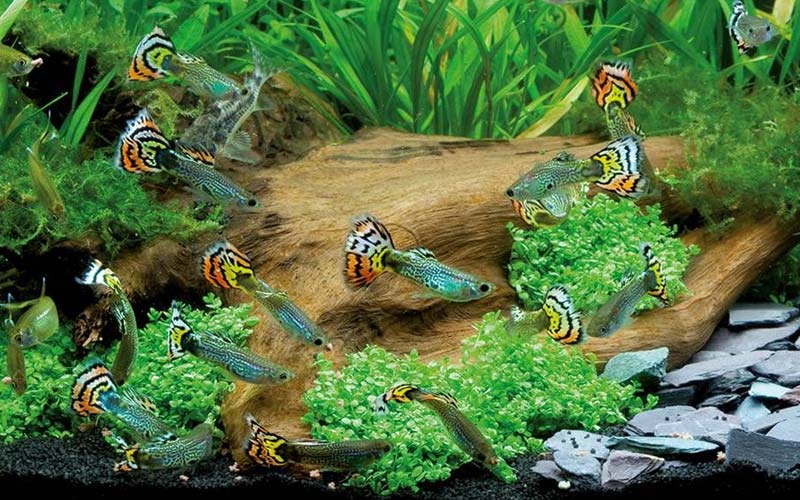
🎬 INTRODUCTION
Have you ever noticed your guppy spending all day behind plants or under decorations instead of swimming freely? It can be worrying to see such a colorful, lively fish hiding constantly. But don’t panic — guppies hide for many natural and environmental reasons.
In this behavioral analysis, we’ll uncover why your guppy might be hiding, how to recognize whether it’s a normal resting pattern or a stress response, and the best steps to bring them back out into the open.
Let’s dive in and understand your guppy’s secret world beneath the water’s surface.
🐟 1. Understanding Normal Guppy Behavior
Guppies are naturally curious and social. They love to explore, swim in groups, and interact during feeding time. However, they also have quiet periods — especially at night or after feeding — when they hide and rest.
Normal hiding usually happens:
-
During tank cleaning or water changes
-
After lights turn off (rest period)
-
When exploring new tank decorations
-
After adding new tankmates
If your guppy comes out occasionally and eats normally, it’s likely healthy hiding — not stress-related.
⚠️ 2. Common Reasons Guppies Hide Too Much
2.1 Aggression from Tank Mates
Aggressive fish like bettas, barbs, or cichlids can bully guppies. Guppies, being peaceful, retreat to avoid confrontation.
Fix: Keep guppies with calm tank mates — platies, mollies, neon tetras, or Corydoras catfish.
2.2 Poor Water Quality
Even slightly elevated ammonia or nitrite levels cause stress. When the water burns their gills or fins, they hide to recover.
Fix: Test water weekly. Maintain ammonia/nitrite at 0 ppm, nitrates under 20 ppm, pH 6.8–7.6, and temperature around 25–27°C.
2.3 Overcrowded Aquarium
Too many fish can make guppies anxious and territorial.
Fix: Keep 1 guppy per 2 gallons (7.5 liters) and provide open swimming space.
2.4 Sudden Environmental Changes
Guppies are sensitive to light, vibration, and noise. A sudden flashlight or loud sound can make them dart and hide.
Fix: Maintain consistent lighting (8–10 hours/day) and avoid tapping the tank glass.
2.5 Illness or Weakness
Sick guppies often isolate themselves to avoid predators. Look for clamped fins, faded color, white spots, or gasping.
Fix: Quarantine and treat with aquarium salt or disease-specific medication.
🌿 3. Creating a Safe & Comfortable Environment
A secure guppy is an active guppy. Here’s how to make their home feel safe:
-
Add Plants: Java moss, hornwort, and anubias provide hiding spots and oxygen.
-
Use Decor Wisely: Small caves, driftwood, or rocks reduce stress.
-
Avoid Over-lighting: Use soft LED light to mimic natural daylight.
-
Keep Calm Surroundings: No loud music or sudden movement near the tank.
Balanced design = happy guppies!
🍽️ 4. Feeding & Confidence Building
Feeding is the best trust-building moment.
Feed small portions 2 times a day with variety: flakes, brine shrimp, daphnia, or mosquito larvae.
When guppies associate you with food, they start coming out more confidently. Avoid overfeeding — uneaten food pollutes water and triggers hiding behavior.
💡 5. Behavioral Enrichment
Guppies love stimulation! Keep them active and engaged by:
-
Rearranging plants occasionally
-
Adding mirror toys temporarily (short sessions only)
-
Introducing peaceful schooling fish to encourage activity
-
Maintaining gentle water flow using sponge filters
Behavioral enrichment keeps guppies alert, social, and less fearful.
🧪 6. How to Observe and Diagnose
Keep a daily observation routine:
| Observation | What to Note | Meaning |
|---|---|---|
| Activity | Are they swimming or hovering? | Low activity = stress or illness |
| Eating pattern | Do they come out for food? | Hiding during feeding = fear |
| Fin position | Are fins open or clamped? | Clamped = anxiety |
| Color | Bright or dull? | Dull = poor health or water issues |
A small notebook or app helps track patterns over time.
🏠 7. Recovery Steps for Constantly Hiding Guppies
-
Check Water Quality: First step always.
-
Isolate Bullies: Use a divider or rehome aggressive fish.
-
Increase Plant Cover: Add natural hiding areas.
-
Stabilize Environment: Keep light, feeding, and cleaning consistent.
-
Observe Health: Treat visible symptoms early.
-
Introduce Peaceful Companions: Platies, mollies, or tetras encourage social behavior.
Within a week, you’ll often see positive changes.
🌈 8. When to Worry
If your guppy:
-
Stops eating for over 3 days
-
Hides constantly, even in dark tanks
-
Shows white patches, swelling, or fin rot
-
Breathing heavily at the surface
…it’s time to act fast. Quarantine, treat, and test the water immediately.
🐠 9. Final Thoughts
Your guppy hiding isn’t always bad — it’s communication. Whether it’s a sign of rest, fear, or illness, understanding the reason lets you respond effectively.
With proper care, balanced tank mates, clean water, and enrichment, your guppy will soon regain its confidence — showing off its brilliant colors proudly in the open.
🎯 Key Takeaways
-
Occasional hiding = normal resting behavior
-
Constant hiding = stress or poor environment
-
Fix causes: aggression, water quality, lighting, or illness
-
Create safe zones and calm conditions
-
Observe daily — prevention is always better than cure
Here’s a categorized list to cover all angles of guppy visuals — educational, emotional, and aesthetic.
🐟 Category 1: Behavioral Shots (150)
1–150. Guppies hiding behind plants, inside caves, under rocks, between roots, peeking from driftwood, resting near substrate, group hiding, single guppy resting, etc.
🌿 Category 2: Tank Setup & Environment (200)
151–350. Planted tanks, open swimming zones, low-light setups, aquascapes with moss, sponge filters, LED lighting setups, cozy nano tanks.
⚠️ Category 3: Stress & Aggression (150)
351–500. Guppy chased by other fish, fin-nipping examples, stressed guppy near surface, color fading, isolation behavior, aggressive tank mates like bettas.
💧 Category 4: Water Quality & Maintenance (150)
501–650. Testing ammonia, cleaning filters, changing water, removing waste, thermometer readings, stable pH shots, clean vs. dirty tanks.
💊 Category 5: Health & Illness (150)
651–800. Guppies with fin rot, ich, clamped fins, pale color, bloating, quarantine tanks, medication steps, recovery visuals.
🏡 Category 6: Safe & Comfortable Tanks (150)
801–950. Calm tanks, balanced lighting, gentle water flow, caves, guppies swimming happily in schools, peaceful community tanks.
🍽️ Category 7: Feeding Time (150)
951–1100. Guppies eating flakes, live food feeding, surface feeding, bottom feeding, feeding by hand, food varieties.
🧠 Category 8: Behavioral Enrichment (150)
1101–1250. Mirrors, rearranging plants, dither fish swimming together, guppy interaction moments, exploring new tank decor.
🎥 Category 9: Creative/YouTube Assets (150)
1251–1400. Thumbnails, host with tank, aquarium B-roll, close-up macro guppy shots, title cards (“Why Is My Guppy Hiding?”), emotion shots (surprise/confusion).
🌈 Category 10: Aesthetic & Inspirational (100)
1401–1500. Colorful guppies in sunlight, reflections, serene planted tanks, macro fin details, happy guppy groups, minimal aquarium backgrounds.