
Why Your Female Guppy is Attacking Males: Causes and Solutions
March 1, 2024 Betta Fish Gold Fish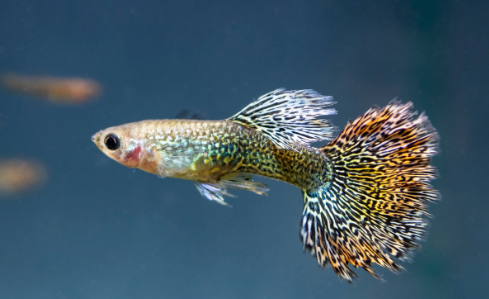
Health
🐠 Introduction: When Your Peaceful Guppies Turn Aggressive
Guppies are known for their bright colors and peaceful nature — but sometimes, aquarists are surprised to find female guppies chasing, nipping, or attacking males. While aggression in guppies is less common than in cichlids or bettas, it can happen due to stress, poor conditions, or dominance issues in breeding groups.
Understanding why this happens is crucial to prevent injuries, breeding failure, or even death in smaller or weaker males. Let’s explore what drives this behavior and how to restore harmony in your tank.

Alt Text: Female guppy chasing male in a planted aquarium due to territorial stress.*
⚠️ Common Reasons Why Female Guppies Attack Males
1. Overbreeding Stress
Male guppies constantly pursue females to mate, which can lead to exhaustion. When females become overwhelmed, they may turn aggressive to defend themselves.
Solution: Maintain a 2:1 female-to-male ratio or give females resting zones with dense plants and hiding spots.
2. Tank Overcrowding
Limited space increases competition for resources and territory.
Solution: Ensure at least 1 gallon per guppy (preferably more) and maintain good filtration with regular water changes.
3. Hormonal and Breeding Dominance
Dominant females sometimes establish a pecking order, especially during pregnancy.
Solution: Observe aggressive individuals and temporarily separate them in a breeding box or a small isolation tank until behavior stabilizes.
4. Lack of Food Variety
A poor diet can trigger competition and irritability among guppies.
Solution: Feed a balanced diet — flakes, live food (daphnia, brine shrimp), and spirulina — twice daily in small amounts.
Alt Text: Healthy guppies eating flakes and live food to reduce stress and aggression.*
5. Pregnancy and Maternal Behavior
Pregnant females can be particularly territorial. They may chase males or other fish to secure space for birthing.
Solution: Use a breeding or nursery tank once pregnancy is evident, and give females peace and privacy before delivery.
6. Poor Water Conditions
Ammonia, nitrite, and fluctuating pH levels can cause stress, making fish more aggressive.
Solution: Test your water weekly and maintain parameters at:
-
Temperature: 25–27°C
-
pH: 7.0–7.8
-
Ammonia/Nitrite: 0 ppm
-
Nitrate: Below 20 ppm
💡 Pro Tips to Reduce Aggression
-
Add live plants (Java moss, hornwort, or guppy grass) for natural barriers.
-
Avoid reflective surfaces — guppies may attack their reflections.
-
Introduce new fish slowly to avoid territory shock.
-
Monitor after feeding — aggression often peaks before or after meals.
Alt Text: Peaceful guppies swimming calmly in a well-planted tank with balanced gender ratio.*
🔬 Understanding Guppy Social Hierarchy
Guppies naturally form small hierarchies where dominant fish (male or female) lead the group. In the absence of strong males, alpha females may assert dominance, especially if resources are limited. This is a natural adaptive behavior — but in tanks, it can lead to persistent chasing or fin-nipping.
Regular observation and small adjustments (like rearranging décor or adjusting ratios) can reset social balance.