
Understanding the Guppy’s Diet: Omnivore, Herbivore, or Carnivore?
April 26, 2025 Gold Fish Guppy Fish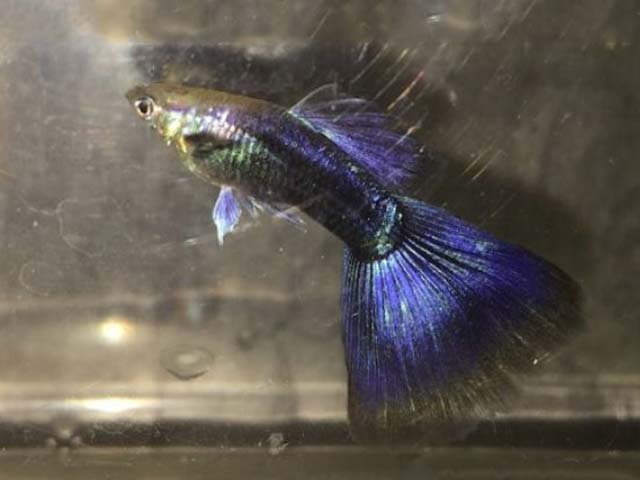
🌿 Introduction
Guppies (Poecilia reticulata) are known for their dazzling colors, playful nature, and hardiness — making them one of the most popular aquarium fish in the world. But while their beauty captivates us, their diet plays a far more vital role than most aquarists realize.
A well-fed guppy is more colorful, active, and fertile, while a poorly fed one can become dull, stressed, or even fall ill.
This brings us to the big question:
👉 Are guppies omnivores, herbivores, or carnivores?
Let’s explore what guppies really eat in the wild and in captivity — and how to give them the most nutritious diet possible.
🍃 1. The Guppy’s Natural Diet in the Wild
In their natural habitats — rivers and streams in South America, Trinidad, and Tobago — guppies consume a diverse diet.
They eat:
-
Algae and plant debris
-
Small insects and larvae (especially mosquito larvae)
-
Microorganisms and zooplankton
-
Detritus (organic matter in the water)
This variety confirms that guppies are omnivores, meaning they eat both plant-based and animal-based foods. However, they lean slightly more toward insectivorous omnivores — preferring protein-rich micro-prey when available.
🍽️ 2. Guppies in Aquariums: The Shift in Diet
In captivity, guppies rely on what their owners feed them. Unlike the wild, aquarium environments lack natural insect larvae or algae. That’s why replicating their natural omnivorous diet is key to keeping them healthy and colorful.
Your guppy’s health depends on three main nutrient categories:
| Nutrient | Function | Examples |
|---|---|---|
| Protein | Growth, reproduction, muscle health | Brine shrimp, daphnia, bloodworms |
| Fiber | Digestion, intestinal health | Spirulina, blanched spinach |
| Fats & Carbs | Energy, metabolism | Algae, flake food, peas |
🐛 3. The Role of Protein in Guppy Diets
Protein is crucial for guppy growth, coloration, and breeding.
In the wild, guppies consume mosquito larvae, worms, and small crustaceans — all rich in protein.
In aquariums, you can replace these with:
-
Live food: Brine shrimp, mosquito larvae, micro worms
-
Frozen food: Daphnia, bloodworms, tubifex worms
-
High-protein flakes or pellets formulated for tropical fish
Aim for a diet containing 35–45% protein for optimal health and growth.
🧠 Tip: Rotate between live and dry foods to keep your guppies interested and reduce picky eating.
🌱 4. The Importance of Plant Matter
Guppies may enjoy their protein, but plant matter is just as important. It provides:
-
Fiber for digestion
-
Vitamins and minerals for immunity
-
Carotenoids that enhance coloration
Vegetable-based foods you can offer:
-
Blanched spinach or zucchini
-
Cucumber slices (anchored with a suction clip)
-
Spirulina flakes or wafers
-
Peas (boiled and peeled, in small bits)
Plant-based foods should make up 25–30% of their diet.
🌿 Pro Tip: Add live plants like Java Moss and Anubias to your tank — guppies naturally graze on soft algae.
🐜 5. Are Guppies Carnivores?
Guppies aren’t true carnivores — but they do show predatory behavior at times.
They’ll eat:
-
Baby brine shrimp
-
Mosquito larvae
-
Tiny worms and crustaceans
-
Even their own fry (in some cases)
This is instinctive, not aggression. In the wild, food competition drives guppies to eat whatever fits in their mouths.
So while they are not full carnivores, they possess strong carnivorous tendencies, especially when it comes to small live foods.
🪸 6. Guppies as Omnivores: The Balanced Truth
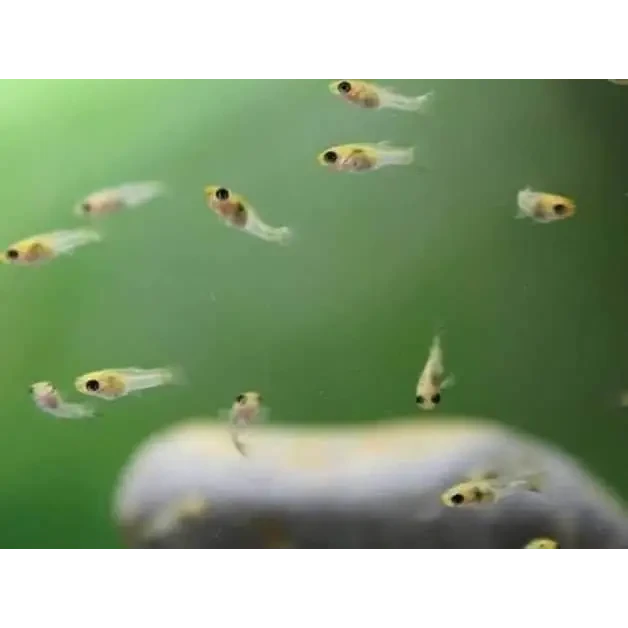
Ultimately, guppies are omnivorous micro-predators — feeding on a balance of both plants and animals.
A balanced omnivorous diet includes:
-
50–60% high-quality flakes or pellets (base diet)
-
20–30% live/frozen protein foods (brine shrimp, daphnia)
-
10–20% plant-based foods (spirulina, veggies)
This combination promotes:
✅ Better coloration
✅ Faster growth
✅ Higher fertility
✅ Longer lifespan
🎯 Goal: Feed small amounts 2–3 times a day. Avoid overfeeding — it can foul the water and cause bloating.
🧬 7. Vitamins and Supplements for Enhanced Health
Even with a good diet, guppies benefit from extra nutrients.
Essential vitamins include:
| Vitamin | Function | Sources |
|---|---|---|
| Vitamin A | Enhances coloration | Spirulina, algae flakes |
| Vitamin C | Strengthens immune system | Spinach, peas |
| Vitamin D | Aids calcium absorption | Sunlight exposure |
| Vitamin E | Reproductive health | Brine shrimp, bloodworms |
| B-complex | Energy and stress resistance | Commercial flakes |
Commercial vitamin-enriched flakes or liquid supplements can help fill nutritional gaps.
🧫 8. Foods to Avoid Feeding Guppies
Some foods are unhealthy or even dangerous for guppies. Avoid:
-
Bread or processed human food – causes bloating
-
Beef heart (in excess) – too fatty
-
Raw vegetables (unblanched) – hard to digest
-
Dirty live food – may carry parasites
❌ Feeding them only flakes long-term leads to nutritional deficiencies and dull coloration.
🪴 9. Feeding Guppy Fry vs. Adults

Fry (baby guppies) need smaller, more frequent meals packed with protein.
Feed them:
-
Crushed flakes
-
Baby brine shrimp
-
Infusoria
-
Liquid fry food
Feed 4–5 times a day in tiny portions to promote rapid growth.
After 3–4 weeks, slowly transition to adult diets.
Adult guppies can thrive on 2–3 feedings daily, with a mix of flakes, frozen food, and vegetables.
💧 10. Feeding Schedule and Tips
| Time | Food Type |
|---|---|
| Morning | Flake or pellet food |
| Afternoon | Vegetable supplement (spinach, cucumber) |
| Evening | Live/frozen food (brine shrimp, daphnia) |
Feeding Tips
-
Only feed what they can finish in 2 minutes.
-
Remove uneaten food to prevent ammonia buildup.
-
Vary the diet every few days.
-
Use automatic feeders if you’re often away.
🌈 11. How Diet Impacts Coloration and Breeding
Diet directly influences color intensity and breeding success.
High-protein and carotenoid-rich foods (like spirulina and brine shrimp) enhance red, yellow, and orange pigments, while algae improve blues and greens.
A poor diet, on the other hand, leads to faded colors, reduced fertility, and weak fry survival rates.
🧡 “A guppy’s beauty is painted by what it eats.”
⚖️ 12. Sample Weekly Feeding Plan
| Day | Morning | Evening |
|---|---|---|
| Monday | Tropical flakes | Brine shrimp |
| Tuesday | Spirulina flakes | Daphnia |
| Wednesday | Peas or cucumber | Flakes |
| Thursday | Bloodworms | Vegetable mix |
| Friday | Algae wafers | Baby brine shrimp |
| Saturday | Crushed pellets | Spinach |
| Sunday | Fast day (only veggies or none) | — |
This variety prevents boredom and ensures complete nutrition.
📊 13. Conclusion
Guppies are omnivores — thriving best on a balanced mix of animal protein and plant matter.
A proper diet not only keeps them alive but brings out their full color potential, improves breeding outcomes, and ensures long-term vitality.
Whether you’re a beginner aquarist or a professional breeder, remember:
“Feed variety, feed smart — and your guppies will reward you with brilliance.”
🧾 Suggested Internal Links
-
Top 5 Essential Vitamins Guppies Need for Vibrant Coloration
-
How to Safely Introduce Snails or Shrimp into a Guppy Community Tank
-
Water Hardness for Guppies: The Ideal GH and KH Levels Explained
🌍 Recommended External Resources
🖼️ Online Related Images
| Description | Image | Source |
|---|---|---|
| Guppies eating flakes | Shopify CDN | |
| Wild guppies feeding | FishLab | |
| Brine shrimp for guppy feeding | Aquarium Co-Op | |
| Guppies eating spinach | Tropical Fish Care Guides | |
| Guppy fry eating baby brine shrimp | |
Micro Aquatic Shop |