
My Experience: Running a Successful All-Male Guppy Frat Tank
September 9, 2024 Gold Fish
🐠 My Experience: Running a Successful All-Male Guppy Frat Tank
When I first got into guppies, I was obsessed with their colors — reds, blues, metallics, mosaics, and those crazy fancy tails. But like many beginners, I soon faced a dilemma: I wanted a tank full of gorgeous guppies without dealing with nonstop breeding and baby fry.
That’s when I discovered the idea of an all-male guppy “frat tank.” It sounded great — no babies, constant color, and lively personalities. But if you’ve heard rumors about males being aggressive or fin-nipping, you might wonder: Can it really work?
After over a year of trial, error, and observation, I can confidently say: yes, it can — if you do it right.
Here’s exactly how I built and maintained a healthy, balanced all-male guppy tank — and what I learned along the way.
🧱 1. Why I Chose an All-Male Tank
Originally, I had a mixed guppy tank — 1 male and 3 females. Within weeks, I had fry everywhere. The population exploded faster than I could rehome them. It became overwhelming to manage breeding, fry tanks, and space.
So, I decided to reset my aquarium and go with only male guppies for three main reasons:
-
No overpopulation: No females = no fry.
-
Consistent color display: Males are brighter and more ornamental.
-
Simpler maintenance: One main tank, no breeding setup.
I wanted a vibrant, colorful show tank — a living rainbow that didn’t multiply overnight.
🧠 2. Understanding Male Guppy Behavior
Male guppies are social but competitive. In nature, they display to impress females or to establish small dominance hierarchies.
Without females present, that energy can redirect into mild sparring or chasing — but it doesn’t have to become violence.
Here’s what I noticed early on:
-
Some mild chasing happens during feeding or territory claiming.
-
Fins can get nipped if space is limited or group size is too small.
-
Once they establish a pecking order, things usually calm down.
The trick is to manage tank setup and social balance, not just throw random males together.
🪴 3. Tank Setup for Harmony
I used a 20-gallon long tank (around 75 liters) for 10 males, and this ratio worked beautifully.
Here’s how I set it up:
✅ Substrate & Plants
-
Fine gravel substrate with some dark coloration (brings out guppy colors).
-
Dense live plants: Java moss, Hornwort, Water Sprite, and Anubias.
These create hiding zones and visual breaks between fish.
✅ Decorations
-
Driftwood and caves help break line of sight.
-
I added floating plants like Duckweed and Amazon Frogbit for surface cover — this reduced aggression dramatically.
✅ Filtration & Water Flow
-
Sponge filter + hang-on-back (HOB) filter combo.
-
Gentle flow — guppies don’t enjoy strong currents.
-
Weekly partial water changes (30–40%) kept parameters stable.
✅ Lighting
-
Moderate LED lighting with a 10-hour timer.
-
I found subdued lighting (through floating plants) helped the males relax.
💧 4. Water Parameters for All-Male Guppies
Male guppies thrive in clean, stable water. My parameters stayed consistent:
| Parameter | Ideal Range | My Tank Average |
|---|---|---|
| Temperature | 25–27 °C (77–81 °F) | 26 °C |
| pH | 7.0–7.5 | 7.2 |
| GH (Hardness) | 8–12 dGH | 10 dGH |
| KH (Buffer) | 4–8 dKH | 6 dKH |
| Ammonia / Nitrite | 0 ppm | 0 ppm |
| Nitrate | <20 ppm | ~10 ppm |
Keeping water pristine is key. Poor quality = stress = aggression.
I used Seachem Prime as dechlorinator and Indian Almond Leaves for mild tannins and natural calm.
🍽️ 5. Feeding Routine (and How It Prevents Aggression)
Hunger is one of the biggest triggers for male nipping. Once I improved feeding, aggression nearly vanished.
My Schedule:
-
Morning: Crushed high-protein flakes (Omega One or Hikari Tropical).
-
Afternoon: Live or frozen food — baby brine shrimp, daphnia, or bloodworms.
-
Evening: Veggie-based micro pellets or blanched spinach for variety.
Feed small portions 2–3 times daily instead of one large meal.
This keeps energy balanced and colors vibrant.
🧍♂️ 6. Choosing Compatible Males
Not all guppies are created equal when it comes to temperament.
Here’s how I selected my lineup:
-
Avoid aggressive strains: Some fancy males (like Endlers hybrids or cobra types) tend to be nippier.
-
Mix colors and fin types carefully: Avoid males with massive tails in tanks full of hyperactive short-finned ones — they get bullied.
-
Introduce all males together (as juveniles if possible). Adding one new male later often sparks fighting.
My final group included:
-
3 mosaic males
-
2 half-black blues
-
3 albino reds
-
2 metallic greens
Each had unique patterns — it made the tank feel like a living artwork.
💬 7. Social Dynamics and Observation
During the first week, I observed some tail flaring and short bursts of chasing.
This is normal dominance testing — think of it as the guppy version of “who’s boss?”
Within two weeks, the tank found balance.
Key signs your tank is stable:
-
Fish explore evenly, not just one side.
-
Fins stay open, not clamped.
-
Coloration stays strong.
-
Minimal torn fins or hiding.
If aggression spikes:
-
Add more plants or décor to break sightlines.
-
Increase group size slightly (10+ males spreads attention).
-
Ensure consistent feeding and maintenance.
🧘 8. Stress Reduction Tricks That Worked
A few small changes made a big difference in keeping my “guppy frat” chill:
-
Floating plants: Gave visual breaks, reduced surface tension.
-
Indian Almond Leaves: Released tannins that mimic natural environments.
-
Dim lighting cycles: Calmer behavior, more natural swimming.
-
Consistent routine: Same feeding and light schedule daily.
-
Weekly maintenance: Fresh water = lower hormones and stress buildup.
🪞 9. Tankmates: What Works and What Doesn’t
In an all-male tank, tankmates must be non-aggressive and fast enough to avoid being nipped.
Here’s what worked for me:
✅ Good Companions:
-
Corydoras catfish
-
Otocinclus
-
Amano shrimp
-
Nerite snails
-
Small peaceful tetras (like ember or neon)
❌ Avoid:
-
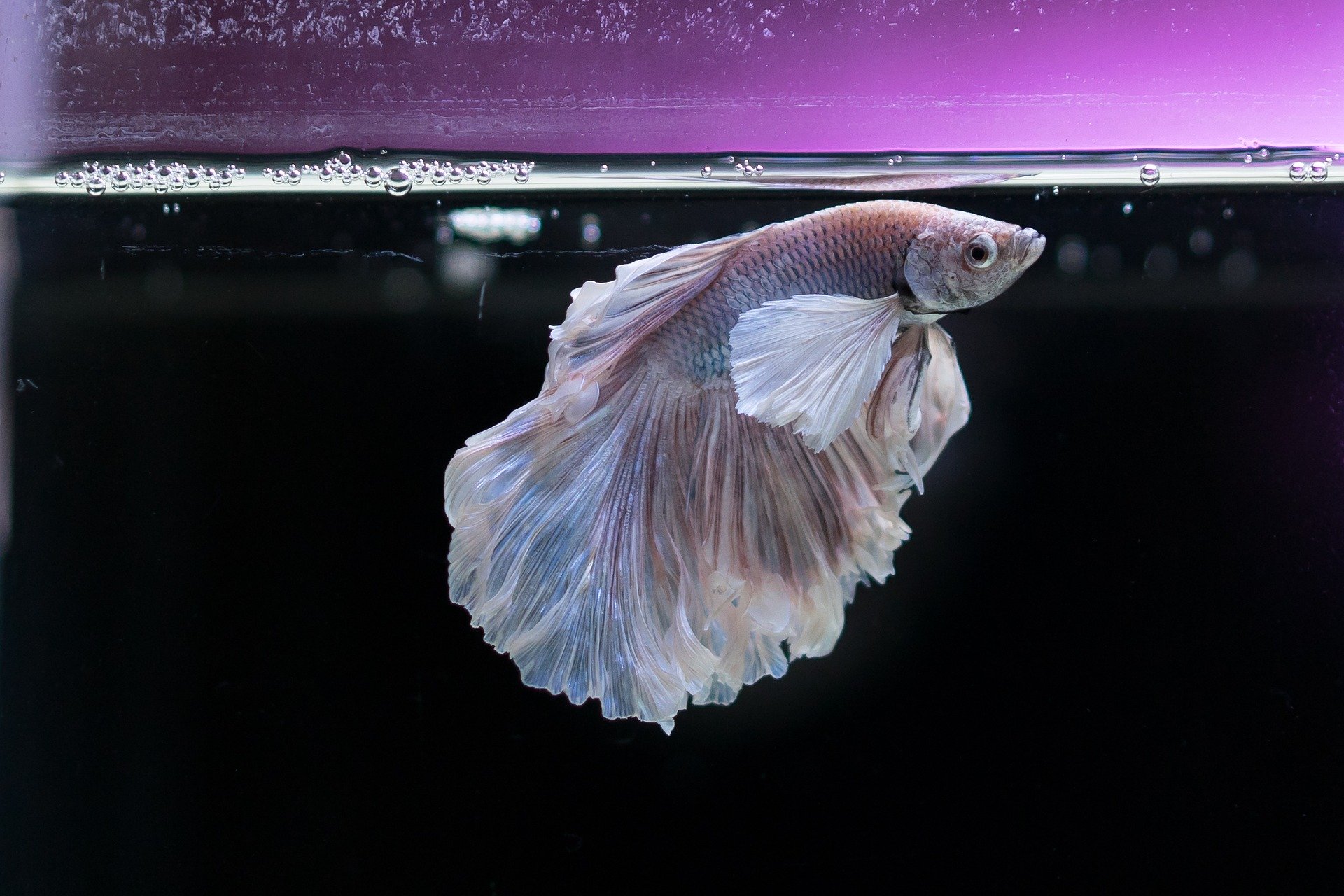
Bettas (too aggressive)
-
Barbs (fin-nippers)
-
Large gouramis
-
Female guppies (defeats the purpose!)
Keep it a male-only fraternity, and you’ll avoid most trouble.
💡 10. My Mistakes (So You Don’t Repeat Them)
Like most fishkeepers, I made a few rookie errors:
-
Too few fish initially (3 males): They fought constantly. Larger groups diffuse tension.
-
Added a new male later: Triggered dominance fights. Always add in groups.
-
Strong filter flow: Males struggled to swim, increasing stress. Use sponge filters or baffled outlets.
-
No hiding spots: Open tanks cause constant chasing. Add plants early.
Once corrected, harmony returned — and I haven’t seen torn fins in months.
📸 11. The Rewards of an All-Male Guppy Tank
This setup quickly became my favorite aquarium.
Why? Because it’s predictable, stable, and stunning. Every guppy shows off full color 24/7, and I never have to manage fry or stress over overcrowding.
Benefits I noticed:
-
Brighter colors — males display constantly to each other.
-
Peaceful interactions — like synchronized swimming.
-
Easier feeding and cleaning — no fry to worry about.
-
More room for creativity — I focus on aquascaping and aesthetics.
It feels like running a living art exhibit.
🔄 12. Maintenance Routine That Keeps It Balanced
| Task | Frequency | Details |
|---|---|---|
| Water change | Weekly (30–40%) | Vacuum substrate, replace with dechlorinated water |
| Filter rinse | Every 2 weeks | Gently rinse sponge in tank water |
| Feeding | 2–3× daily | Small varied meals |
| Observation | Daily | Watch for clamped fins or nipping |
| Plant trimming | Monthly | Prevent overcrowding |
Consistency is everything. Once you set the rhythm, your guppies adapt perfectly.
🧭 13. Tips for Long-Term Success
-
Keep the ratio around 1 male per 2 gallons (7.5 L).
-
Avoid sharp décor that tears fins.
-
Replace fish lost naturally to maintain group balance.
-
Quarantine any new additions for 2 weeks before mixing.
-
Enjoy the personalities — each male develops quirks and favorite hangout spots!
🎯 14. Key Takeaways
| Lesson | Why It Matters |
|---|---|
| Larger groups = less aggression | Spreads dominance energy |
| Plants and hiding spots calm fish | Visual breaks reduce stress |
| Stable water and feeding routine | Healthy, colorful guppies |
| Avoid mixing new males later | Prevents fights |
| All-male tanks are possible | With planning and patience |