
Viral Debate: Is It Necessary to Separate Guppy Fry or Let Nature Take Its Course?
May 2, 2025 Betta Fish Gold Fish Guppy Fish

🐟 Introduction
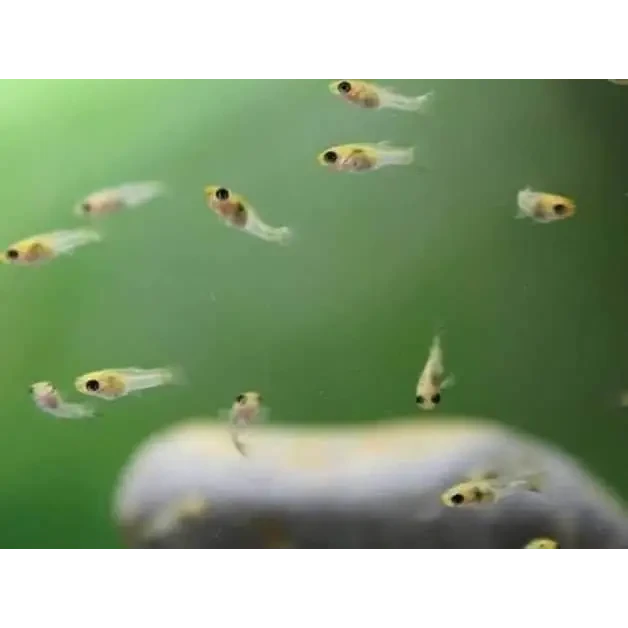
One of the most debated topics among guppy breeders and aquarium enthusiasts is whether to separate baby guppies (fry) or let them grow naturally in the community tank.
Every month, thousands of guppy owners face the same situation — a tank suddenly full of fry darting around while adult guppies circle curiously nearby. Should you step in to save them, or should you let the ecosystem regulate itself?
The discussion became viral on fishkeeping Reddit forums and YouTube channels in 2025, as hobbyists began weighing ethics, practicality, and nature itself.
In this guide, we’ll explore both sides of the argument — backed by expert advice, scientific facts, and practical aquarium experience — to help you decide what’s best for your guppy setup.
🌱 1. Why This Debate Exists
Guppies (Poecilia reticulata) are livebearers, meaning females give birth to fully formed fry instead of laying eggs. One healthy female can give birth to 20–60 fry every 30 days — sometimes even more under ideal conditions.
This high reproduction rate creates two issues:
-
Tank overpopulation if every fry survives.
-
Predation and natural selection when fry remain with adults.
So, the dilemma arises:
👉 Should aquarists protect the fry for maximum survival?
👉 Or should they let nature determine which ones make it?
🧡 2. The Case for Separating Guppy Fry
a) Higher Survival Rates
Adult guppies, including the mother, often eat their fry. This behavior, known as filial cannibalism, is a natural instinct triggered by hunger or stress.
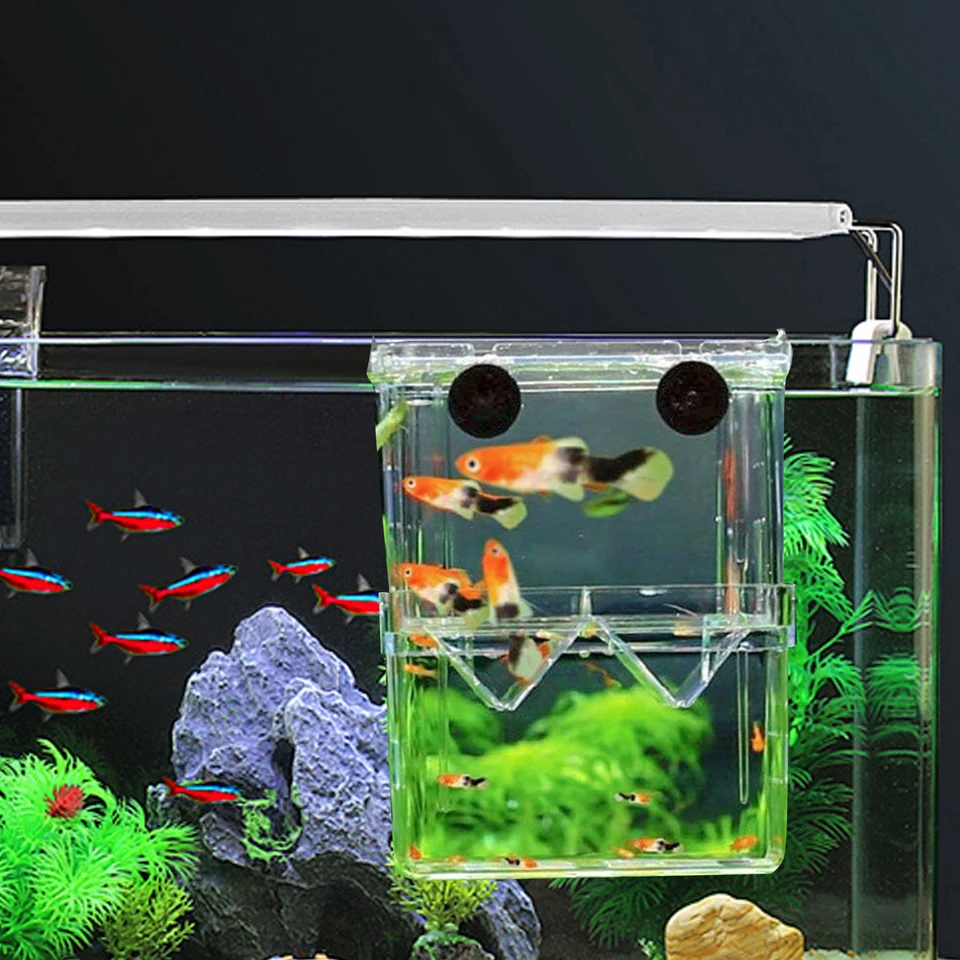
By separating fry into a nursery tank or breeder box, you can increase survival rates from 10% to 95%.
It’s ideal for breeders who want to:
-
Maintain specific color strains.
-
Raise guppies for sale or competitions.
-
Ensure no fry are lost unnecessarily.
b) Controlled Feeding Environment
Newborn fry require frequent feeding with infusoria, crushed flakes, or baby brine shrimp — foods that adult guppies quickly steal in a community tank.
In a separate tank:
-
Fry receive balanced nutrition.
-
Growth is faster and healthier.
-
You can easily observe development stages.
c) Preventing Aggression and Stress
Adult guppies may chase or nip at fry, causing stress or physical harm. Separation ensures:
-
Calm and stable conditions.
-
Better oxygen levels and hygiene.
-
Reduced mortality from bullying.
d) Selective Breeding Advantage
For serious breeders maintaining rare strains like Moscow Blue, Albino Red, or Galaxy Koi, isolation is vital.
Mixing fry in a community tank can result in color dilution, genetic mixing, and inconsistent offspring.
Separation allows for line breeding and quality control.
e) Ethical Responsibility
Some aquarists view separating fry as an ethical duty.
Since guppies are under your care, it’s argued that protecting the young aligns with responsible pet ownership.
As one breeder puts it:
“If you choose to keep life in a tank, you also choose to protect it.”
🌊 3. The Argument for Letting Nature Take Its Course
Not all aquarists agree with intervention. Many prefer a natural ecosystem approach, allowing natural selection to balance the population.
a) Population Control
A single female can produce hundreds of fry annually. If all survive, overcrowding happens quickly, leading to:
-
Stunted growth
-
Poor water quality
-
Increased disease risk
By letting only the strongest fry survive, the aquarium remains self-regulating and balanced.
b) Less Work for the Aquarist
Constantly separating, feeding, and maintaining fry tanks can be labor-intensive.
Natural growth in the community tank allows aquarists to enjoy the hobby without managing multiple aquariums.
c) Stronger, Hardier Fry
Survival in a community tank acts as a form of natural selection — only the most alert and adaptable fry survive.
These survivors often grow into more robust, disease-resistant adults.
d) Mimicking Nature
Some hobbyists prefer tanks that function as micro-ecosystems rather than artificial setups.
Allowing life cycles — including predation — maintains biological realism.
As one Reddit user famously commented:
“I don’t breed guppies. I just host their world.”
⚖️ 4. Pros and Cons Comparison
| Criteria | Separate Fry | Let Nature Take Its Course |
|---|---|---|
| Survival Rate | 80–95% | 5–20% |
| Workload | High | Low |
| Tank Population | Overcrowding risk | Naturally balanced |
| Genetic Purity | Maintained | Mixed |
| Ethical Aspect | Protective | Naturalistic |
| Ideal For | Breeders | Hobbyists, casual keepers |
🌿 5. The Hybrid Approach — Best of Both Worlds
A growing number of aquarists adopt a hybrid approach, striking balance between protection and natural behavior.
Step 1: Add Dense Plant Cover
Live plants like:
-
Java Moss
-
Hornwort
-
Water Sprite
-
Anubias nana
offer excellent hiding spots for fry.
This setup ensures:
-
Some fry survive naturally.
-
Adults can’t access every baby.
-
The tank stays visually beautiful and balanced.
Step 2: Selective Removal
If you notice rare or strong fry (especially from unique strains), you can manually remove a few and raise them separately while leaving the rest to nature.
This way, you maintain selective breeding without overmanaging your tank.
Step 3: Manage Adult Ratios
Keep a 2:1 female-to-male ratio to reduce constant breeding stress.
Too many males will lead to excessive mating pressure and weaker fry over time.
🧪 6. Setting Up a Fry Tank (If You Separate)
If you decide to separate fry, here’s a professional setup guide:
✅ Tank Size:
10–20 gallons, bare-bottom preferred for cleaning ease.
✅ Temperature:
26–28°C (79–82°F) — helps digestion and immunity.
✅ Filtration:
Use a sponge filter — gentle flow, fry-safe.
✅ Lighting:
Soft LED lighting 8–10 hours daily to encourage algae growth (natural fry food).
✅ Food:
-
Crushed flakes
-
Microworms
-
Baby brine shrimp
-
Infusoria
Feed small portions 5–6 times daily for optimal growth.
✅ Maintenance:
Change 25% of the water every 2 days to prevent ammonia spikes.
✅ Duration:
At 4–5 weeks (when fry are 1.5 cm), reintroduce them into the community tank safely.
🧠 7. Expert Insights
Dr. Rina Das, Aquaculture Biologist (2025):
“Separating fry is practical for breeders, but natural rearing produces genetically resilient fish. The best results often come from mixed strategies.”
Jason Leung, Professional Guppy Breeder:
“I separate fry from rare strains only. For my general tanks, I let nature pick the winners. It’s efficient and ethical.”
Survey Data (2025 Global Guppy Keepers Forum):
-
58% separate fry regularly
-
27% let nature take its course
-
15% prefer hybrid setups
This shows the community remains divided — and likely will be for years.
💡 8. Ethical and Environmental Perspective
Every aquarist must find balance between care and conservation.
If you’re breeding for profit or strain purity, separation is justified.
If you’re keeping guppies for enjoyment and ecological observation, natural rearing reflects life’s reality.
Either way, ensure:
-
Water parameters remain stable.
-
Overcrowding never occurs.
-
Unwanted fry find good homes (never release into the wild).
🐠 Conclusion
Whether you separate guppy fry or let them stay in the community tank, remember that both approaches stem from passion and care.
-
Separating fry aligns with protection, breeding control, and ethics of care.
-
Letting nature decide aligns with ecosystem balance, simplicity, and sustainability.
For many, the hybrid method — providing plants for shelter but not full separation — delivers the best harmony.