
Analysis of the Nitrogen Cycle in a Heavily Stocked Guppy Tank
June 14, 2024 Gold Fish Guppy Fish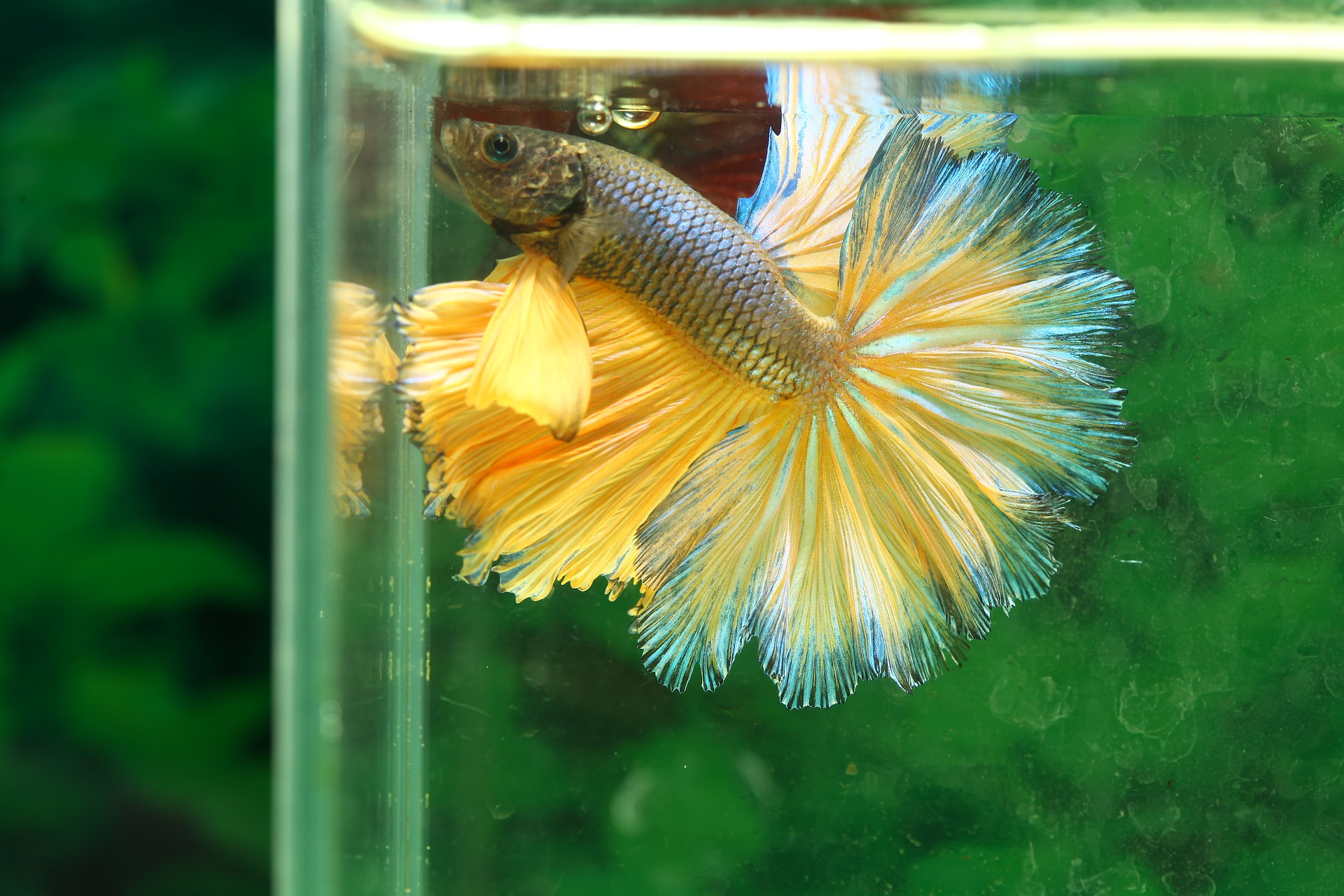
📘 Introduction
The nitrogen cycle is the invisible engine that keeps every aquarium alive and balanced. In a heavily stocked guppy tank, this cycle becomes even more critical — and far more delicate. Each guppy produces waste, uneaten food decays, and these organic materials release ammonia, a toxic compound that can quickly reach dangerous levels if unmanaged.
Understanding how ammonia (NH₃) converts to nitrite (NO₂⁻) and finally to nitrate (NO₃⁻) is vital for maintaining a safe, healthy environment. This article explores each stage of the nitrogen cycle, common challenges in overstocked tanks, and science-backed methods to keep your guppies thriving.
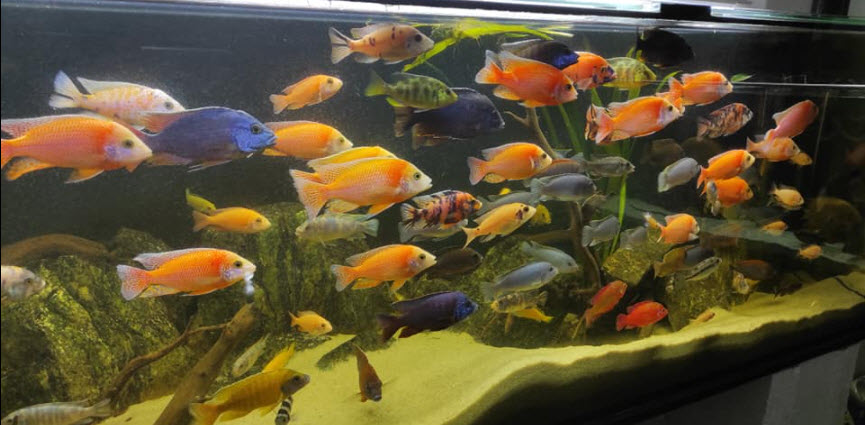
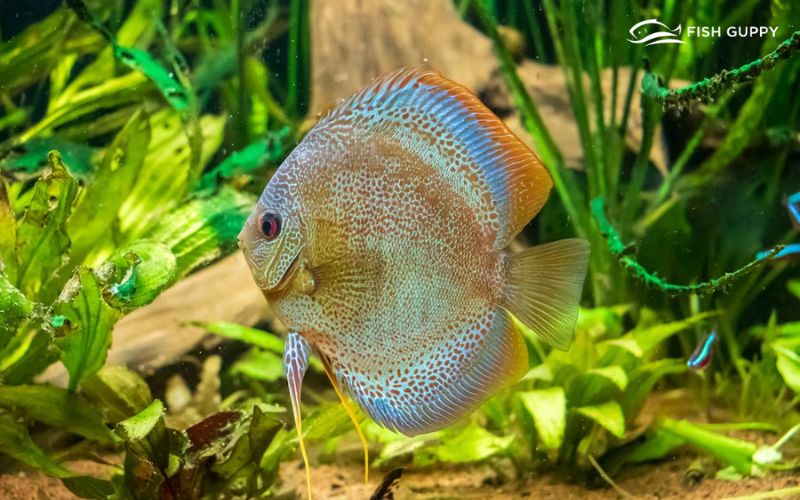
Alt Text: A heavily stocked guppy tank with live plants maintaining biological balance.
⚗️ 1. Understanding the Nitrogen Cycle: The Biological Backbone
The nitrogen cycle in your guppy aquarium follows three main steps:
-
Ammonia Formation:
-
Produced by fish waste, uneaten food, and decaying plant matter.
-
Toxic to fish even in small concentrations (above 0.25 ppm).
-
-
Nitrite Conversion:
-
Beneficial bacteria (Nitrosomonas) convert ammonia into nitrite.
-
Nitrite is also harmful, interfering with the fish’s oxygen transport.
-
-
Nitrate Production:
-
Nitrobacter bacteria convert nitrite into nitrate — less toxic but still harmful at high levels.
-
Regular water changes, plants, and anaerobic bacteria help remove nitrates naturally.
-

Alt Text: Illustrated nitrogen cycle showing ammonia, nitrite, and nitrate conversion stages in an aquarium.
🧪 2. The Challenge of Overstocked Guppy Tanks
A heavily stocked guppy tank puts tremendous pressure on your biofiltration system. Each additional fish increases the waste load, meaning your beneficial bacteria must work harder to keep up. When this biological system becomes overwhelmed, ammonia spikes occur — the number one killer of guppies in community setups.
Key Warning Signs of an Imbalanced Nitrogen Cycle:
-
Cloudy or milky water
-
Guppies gasping near the surface
-
Red or inflamed gills
-
Elevated ammonia/nitrite readings on water test kits
Alt Text: Testing aquarium water parameters using a master test kit for ammonia, nitrite, and nitrate levels.
🌿 3. Maintaining Balance in a Heavy Bioload Environment
To prevent nitrogen cycle collapse in an overstocked guppy tank:
-
Upgrade Filtration:
Use a sponge filter + biofilter combo to maximize bacterial surface area. -
Perform Partial Water Changes:
Replace 20–30% weekly with dechlorinated water. -
Add Live Plants:
Fast-growing species like hornwort, anubias, and java moss absorb nitrates. -
Avoid Overfeeding:
Feed small amounts twice daily; remove leftovers within 3 minutes. -
Use Bacterial Boosters:
Products like Seachem Stability or Tetra SafeStart help reinforce your bacterial colonies after cleanings.
🌊 4. Long-Term Nitrogen Management Tips
-
Test your water weekly using liquid test kits (avoid unreliable strips).
-
Maintain a stable pH (6.8–7.8) to support bacterial activity.
-
Clean filters gently with tank water, never tap water, to preserve beneficial bacteria.
-
Consider deep substrate cleaning monthly if your tank accumulates mulm or waste.
-
Rotate water changes rather than doing large replacements that can destabilize the biofilter.