
How to Naturally Cycle Your Guppy Tank with Live Plants and Patience
July 18, 2025 Discus Fish Guppy Fish
🐠 Introduction
Every aquarist wants a clean, thriving guppy tank full of color and life. But one of the biggest mistakes beginners make is adding guppies too early, before the aquarium has cycled.
A rushed setup can cause deadly ammonia spikes, cloudy water, and stressed fish.
Fortunately, there’s a gentle, natural solution — cycling your tank with live plants and a little patience. This eco-friendly approach mimics what happens in nature and helps build a stable ecosystem for your guppies.
Let’s walk through how to cycle your guppy tank naturally — no bottled bacteria, no chemical shortcuts — just plants, time, and biology.
🌊 1. What Does “Cycling a Tank” Mean?
Cycling a tank means establishing beneficial bacteria that convert harmful waste (like ammonia) into less toxic compounds. This is known as the nitrogen cycle, and it’s essential for every healthy aquarium.
Here’s how it works:
| Stage | Waste Compound | Source | Converted To | Beneficial Bacteria |
|---|---|---|---|---|
| 1️⃣ | Ammonia (NH₃) | Fish waste, decaying plants, leftover food | → Nitrite | Nitrosomonas |
| 2️⃣ | Nitrite (NO₂⁻) | Bacterial by-product | → Nitrate | Nitrobacter |
| 3️⃣ | Nitrate (NO₃⁻) | Final stage | Used by plants | – |
This process takes time — typically 4–6 weeks — and can be done naturally with live plants acting as helpers.
🌱 2. Why Use Live Plants for Cycling?
Live plants play a powerful role in cycling:
-
Absorb ammonia and nitrate as natural fertilizer
-
Provide surfaces for beneficial bacteria to grow
-
Oxygenate the water through photosynthesis
-
Reduce algae growth by competing for nutrients
-
Stabilize pH and improve water quality
When cycling naturally, plants act as a biological sponge — gently absorbing toxins and supporting bacteria until the ecosystem balances itself.
🪴 3. Choosing the Right Live Plants for Cycling
Some plants are better than others for new tanks. Look for hardy, fast-growing species that tolerate fluctuating water conditions.
🌿 Best Plants for Natural Cycling:
| Plant Name | Benefits | Placement |
|---|---|---|
| Anubias | Hardy, attaches to wood or rock | Foreground/Midground |
| Java Fern | Low maintenance, resilient | Midground |
| Hornwort | Fast-growing, absorbs ammonia | Floating/Submerged |
| Water Wisteria | Detoxifies nitrates quickly | Background |
| Amazon Sword | Excellent nutrient absorber | Background |
| Java Moss | Provides hiding for fry, filters water | Foreground |
| Duckweed | Great nitrate absorber | Floating |
💡 Tip: Start with at least 3–5 plant types to create a balanced environment and maximize biological filtration.
💧 4. Step-by-Step: How to Naturally Cycle Your Guppy Tank
Here’s how to set up and naturally cycle your guppy tank without chemicals or bottled bacteria.
🪞 Step 1: Set Up Your Aquarium
-
Rinse the tank, substrate, and decorations (no soap).
-
Add aquarium-safe substrate (gravel or sand).
-
Fill the tank with dechlorinated water.
-
Install the filter, heater, and light.
-
Set the temperature to 25–27°C (77–80°F).
🌿 Step 2: Add Live Plants
-
Plant rooted species in the substrate.
-
Float fast-growing plants (like hornwort or water sprite) for extra ammonia absorption.
-
Keep lights on for 8–10 hours daily to promote plant growth.
🧫 Step 3: Add an Ammonia Source
Since guppies aren’t in the tank yet, you need an ammonia source to start the bacterial cycle.
Options include:
-
A small pinch of fish food (let it decay)
-
A small dose of pure household ammonia (fishless cycling)
-
A few drops of liquid plant fertilizer (ammonia-based)
🧪 The goal: reach about 2–3 ppm of ammonia in your test kit readings.
⏳ Step 4: Wait and Monitor
Over the next few weeks:
-
Ammonia levels will rise, then fall.
-
Nitrite levels will rise next, then drop.
-
Nitrate levels will slowly increase.
Use a liquid test kit (like API Freshwater Master Kit) to track this progress.
🪴 Step 5: Encourage Plant Growth
-
Fertilize plants weekly (optional).
-
Trim dead leaves.
-
Maintain consistent lighting.
-
Add root tabs for heavy root feeders (like swords).
🧘 Step 6: Be Patient
Natural cycling typically takes 4–6 weeks.
Don’t rush this step — let the bacteria and plants stabilize the ecosystem.
🌼 5. Signs Your Tank Is Fully Cycled
Before adding guppies, ensure these conditions:
| Parameter | Ideal Reading | Meaning |
|---|---|---|
| Ammonia | 0 ppm | Safe |
| Nitrite | 0 ppm | Safe |
| Nitrate | < 40 ppm | Acceptable |
| pH | 6.8–7.5 | Stable |
| Temperature | 25–27°C | Optimal |
If you can maintain ammonia and nitrite at 0 for 7 days while feeding small bits of food, your tank is ready.
🧠 6. Benefits of Natural Cycling vs. Quick Fixes
| Method | Description | Pros | Cons |
|---|---|---|---|
| Natural (Live Plant) | Uses plants & bacteria over 4–6 weeks | Eco-friendly, stable, no chemicals | Requires patience |
| Bottled Bacteria | Add live bacterial starter | Fast (2–3 weeks) | Costly, may fail without ammonia |
| Fish-in Cycling | Add hardy fish to start cycle | Quick visible results | Risky for fish, stressful |
🌿 Natural cycling creates a long-term stable tank — perfect for guppies, shrimp, and snails.
🐟 7. Introducing Guppies After the Cycle
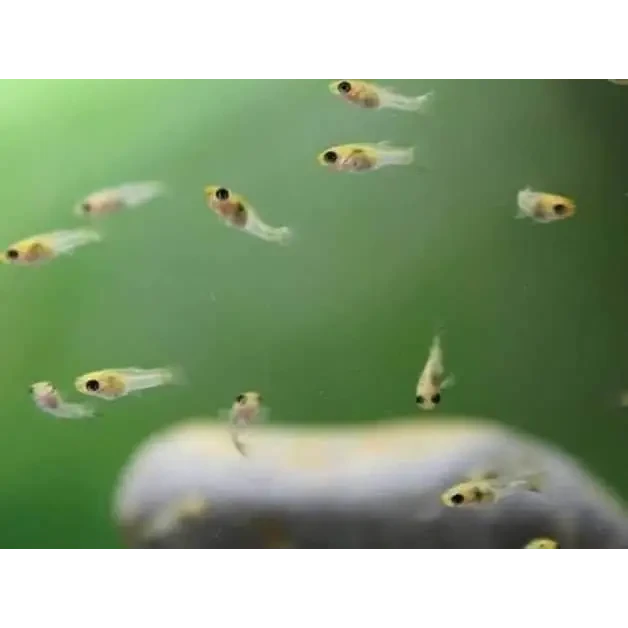
Once your tank is cycled:
-
Perform a 30% water change.
-
Add your guppies slowly — 2 or 3 at first.
-
Observe for a week before adding more.
-
Continue testing water weekly.
The plants and bacteria will handle the small waste load, keeping water clean and safe.
⚠️ 8. Common Mistakes to Avoid
-
Adding guppies too soon – causes ammonia burns.
-
Overfeeding – food rots, spikes ammonia.
-
Washing the filter media with tap water – kills beneficial bacteria.
-
Changing all water at once – disrupts the cycle.
-
Using plant fertilizers with copper – harmful to shrimp or snails.
Patience is the most powerful tool in your aquarist toolkit.
🌈 9. Bonus: Best Companion Plants for Guppy Tanks
| Plant | Benefit | Growth Rate |
|---|---|---|
| Java Moss | Fry shelter, algae control | Slow |
| Hornwort | Nitrate absorber | Fast |
| Anacharis (Elodea) | Oxygenation | Fast |
| Amazon Sword | Strong root system | Moderate |
| Floating Salvinia | Light diffusion | Fast |
Adding a mix of floating and rooted plants creates a mini-ecosystem that supports guppies and fry alike.
🪞 10. Long-Term Maintenance After Cycling
After your tank is fully cycled, the goal is balance — not sterilization.
-
Do 25% water changes weekly.
-
Clean glass and remove dead leaves.
-
Test parameters every 2 weeks.
-
Replace filter sponges only when necessary.
-
Fertilize plants monthly (optional).
Once stabilized, your tank will self-regulate — creating crystal-clear water and healthy guppies without constant intervention.
🧾 Conclusion
Naturally cycling your guppy tank with live plants is more than a science experiment — it’s an art of patience and balance.
Instead of relying on chemicals, you let nature’s rhythm work in your favor.
🌿 “A planted tank doesn’t just host fish — it grows life.”
With patience, your aquarium becomes a self-sustaining ecosystem where guppies thrive, plants flourish, and water remains stable.
If you take your time, your reward is a tank that practically takes care of itself.
🧩 Suggested Internal Links
-
Water Hardness for Guppies: The Ideal GH and KH Levels Explained
-
Top 5 Essential Vitamins Guppies Need for Vibrant Coloration
-
How to Safely Introduce Snails or Shrimp into a Guppy Community Tank
🌍 Recommended External Resources
🖼️ Online Related Images
| Description | Image | Source |
|---|---|---|
| Live planted guppy tank | Shopify CDN | |
| Nitrogen cycle diagram | FishLab | |
| Aquarium plants removing ammonia | Aquarium Co-Op | |
| Planted aquarium setup | Aquarium Co-Op | |
| API test kit readings | Shopify CDN | |
| Guppies in healthy planted tank | |
AB Aquatics |