
The Truth About Guppy Hybrids: Are They Ruining the Hobby’s Gene Pool?
March 7, 2024 Discus Fish Gold Fish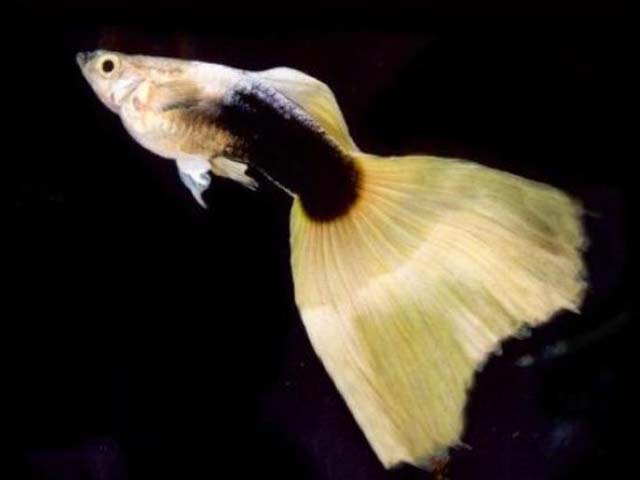
🧬 The Truth About Guppy Hybrids: Are They Ruining the Hobby’s Gene Pool?
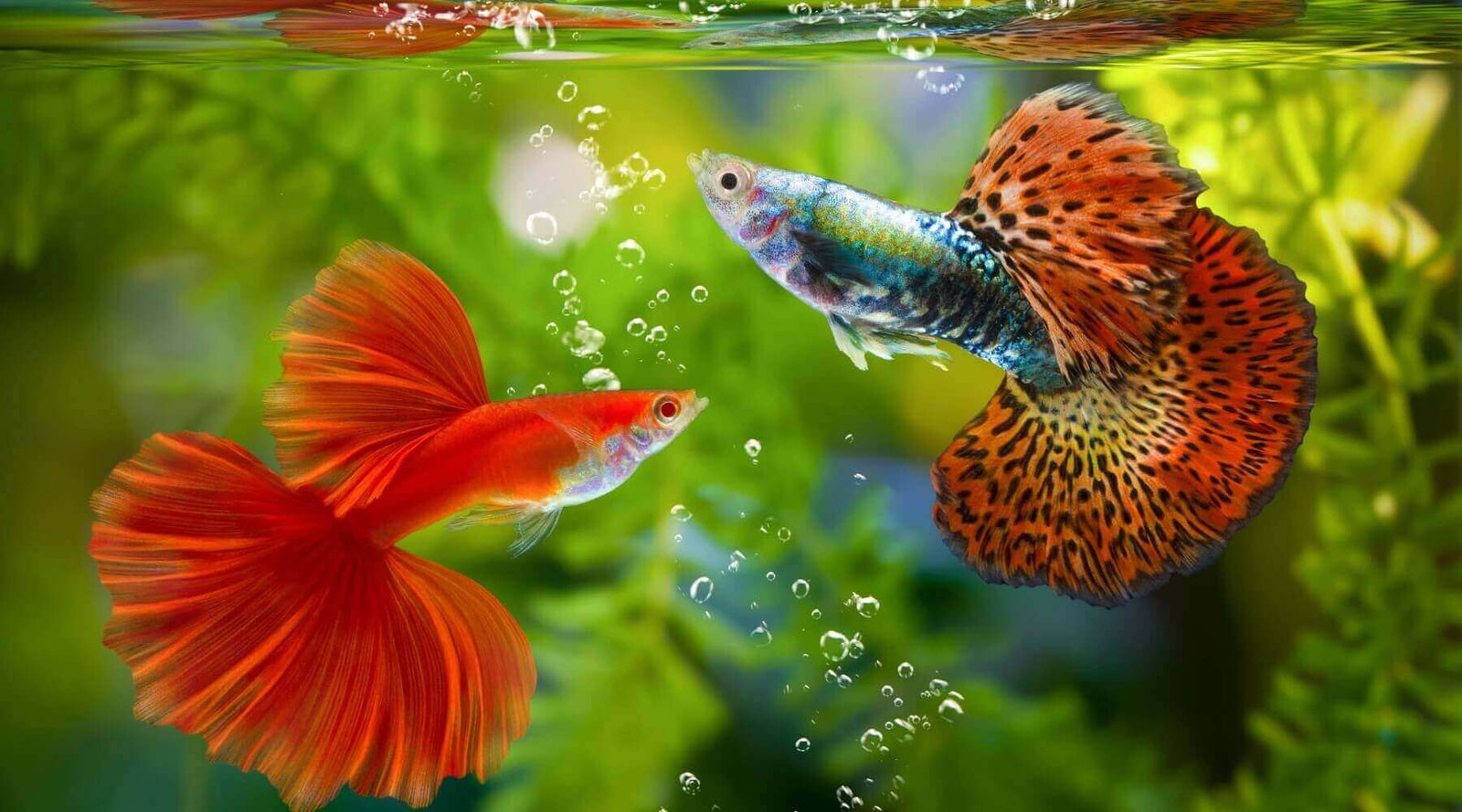

Guppies (Guppy, Poecilia reticulata) are beloved for their dazzling colours and energetic personalities. But beneath the surface lies a growing controversy that divides breeders and aquarists alike: the spread of hybrid guppies.
Selective breeding has created breathtaking strains like the Galaxy, Dragon, and Koi guppy — yet many argue that crossing lines too often weakens genetics and muddles the hobby’s foundations.
So, are guppy hybrids a beautiful evolution or a genetic ticking bomb? Let’s explore.
1: What Exactly Are Guppy Hybrids?
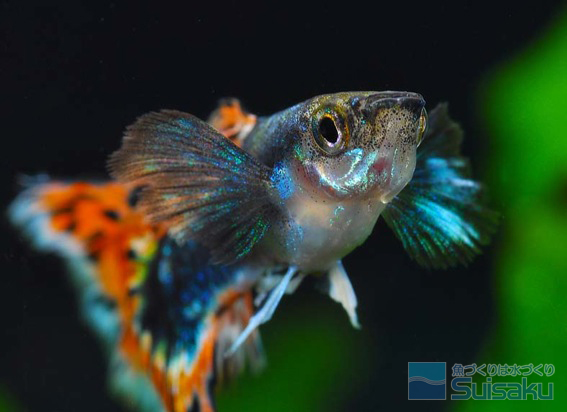

A guppy hybrid is produced when two different strains — or even closely related species — interbreed.
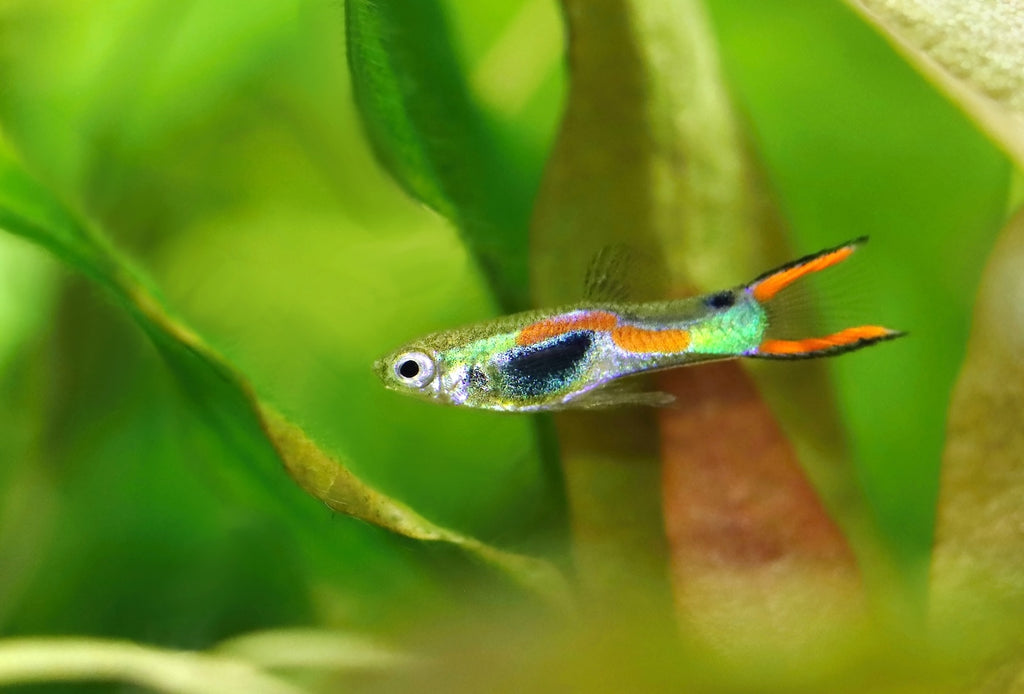
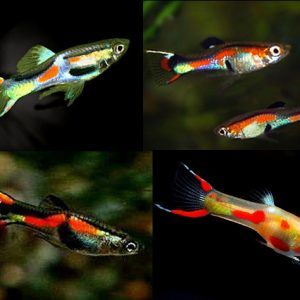
For example, crossing a Moscow Blue strain with a Cobra guppy, or mixing Endler’s livebearers (Endler’s Livebearer, Poecilia wingei) with fancy guppies.
The goal can be to merge desired traits (color, fin shape, pattern). But the outcome is often unpredictable.
2: How Hybrids Are Created
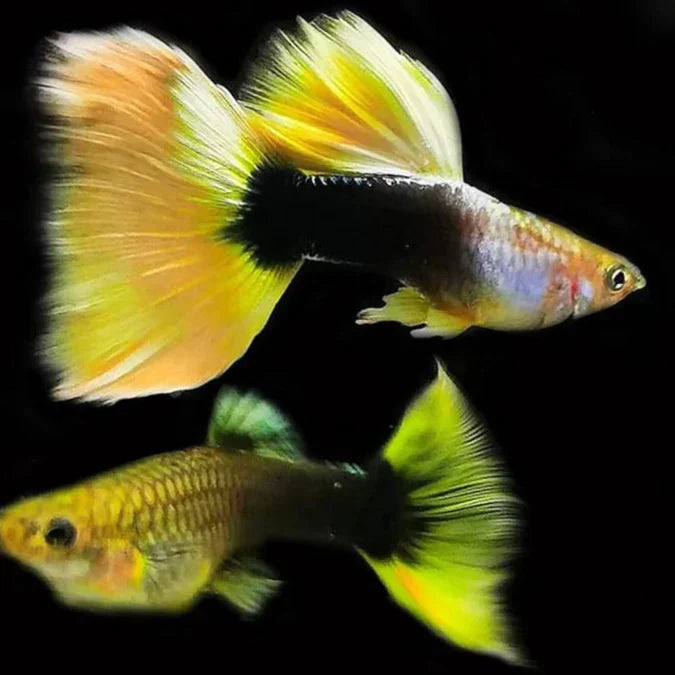
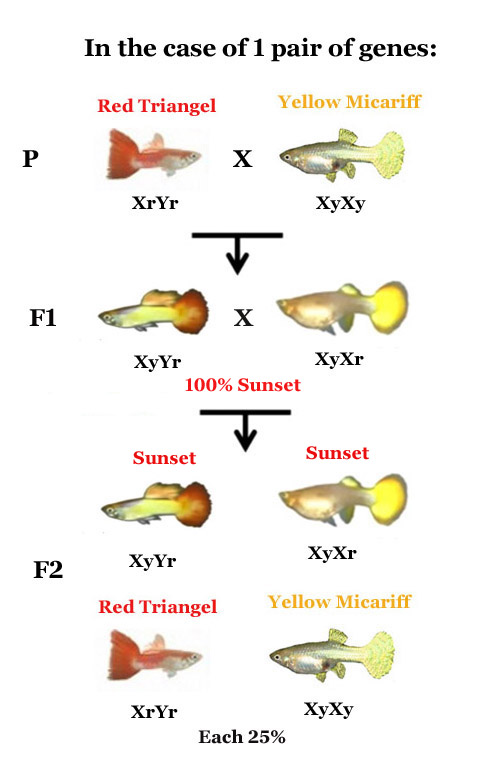

Hybridisation in guppies happens in two main ways:
Intentional crosses:
Breeders deliberately mate two distinct strains hoping to combine the best traits — e.g., a red-tail from one strain and an extreme tail shape from another.
Accidental mixing:
In community tanks or where multiple lines are kept together, females may store sperm from different males. When fry appear, you may get unintended hybrid results.
3: The Science Behind Guppy Genetics


Guppies follow Mendelian inheritance: dominant and recessive genes determine color, pattern, fin shape, etc. Wikipedia
When two genetically distinct strains are crossed:
-
You may get spectacular new appearances.
-
You may get lots of variation in offspring — some strong, some weak.
-
Predictability often falls away once you move beyond F1 (first generation).
This is why hybrids pose both opportunity and risk.
4: The Benefits of Hybridisation
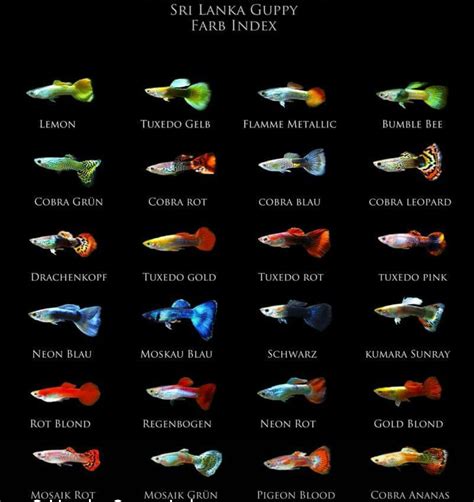
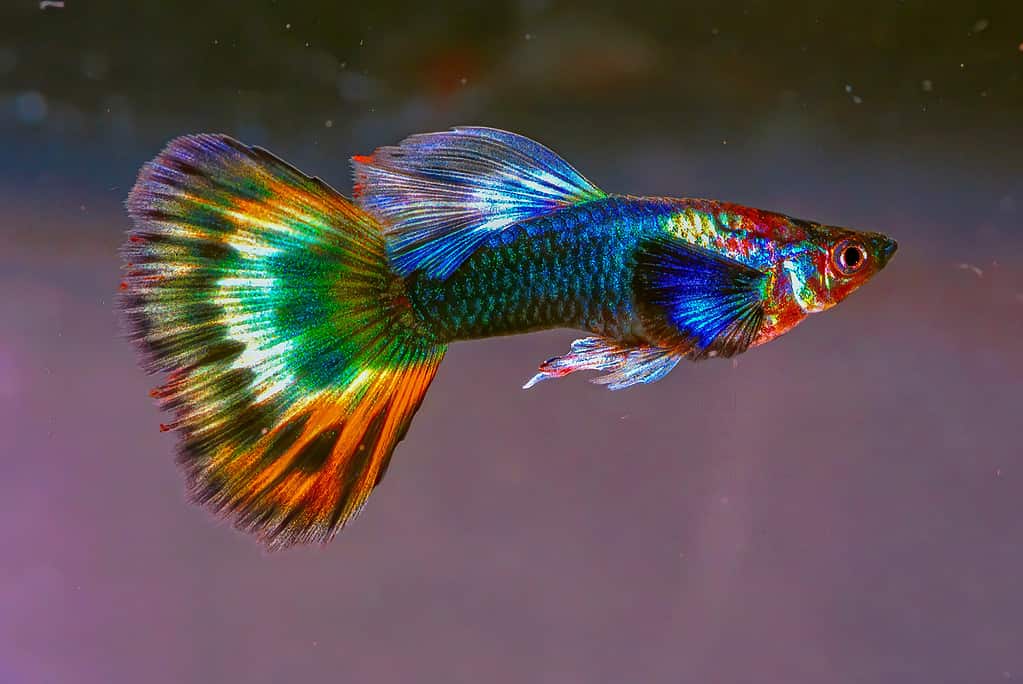
Despite scepticism, hybridisation brings real advantages to the guppy hobby:
-
Increased genetic diversity: Avoids the pitfalls of long inbreeding in pure lines.
-
New colours & patterns: Many exotic strains originated via hybrid crosses.
-
Hybrid vigour: Some hybrids show stronger resistance to disease and stress.
-
Innovation drive: Keeps the hobby dynamic and evolving.
5: The Hidden Risks: Weak Genes & Colour Loss


However, hybridisation also introduces serious risks:
-
Unstable genetics: Hybrids often don’t “breed true”, meaning many offspring may lack the traits you wanted.
-
Weak offspring: Some may show poor fertility, deformities, or shortened lifespan.
-
Colour dilution: Exotic colours may fade or devolve in later generations if not managed.
-
Loss of original strain identity: As hybrids proliferate, distinguishing genuine pure strains becomes harder.
6: Are Hybrids “Ruining” the Gene Pool?
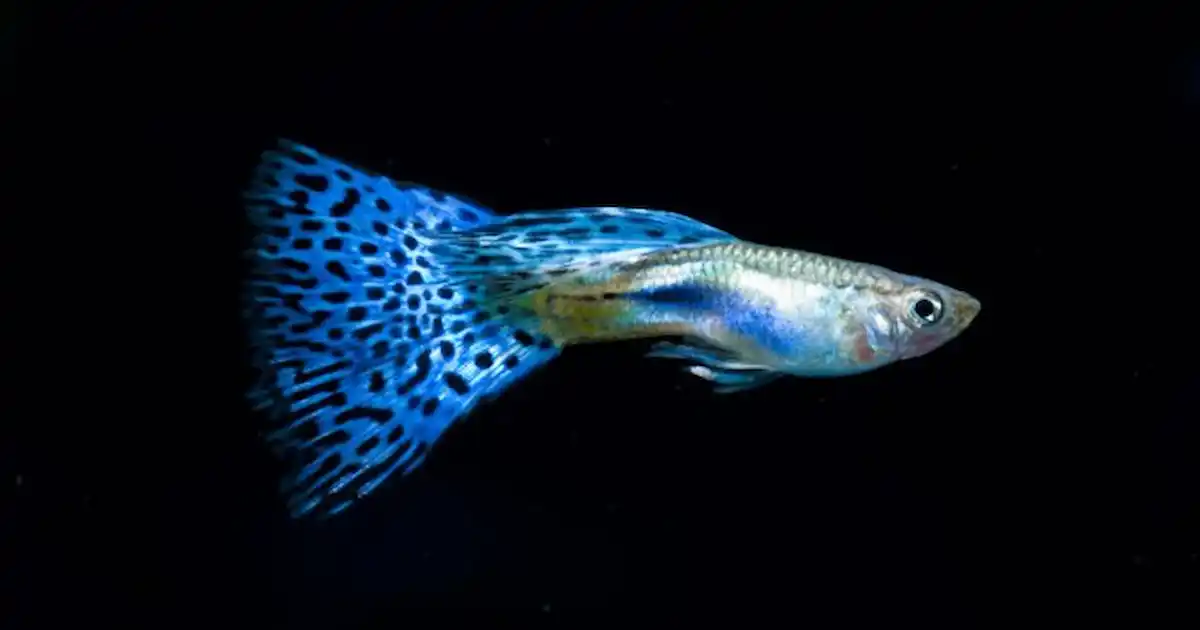

This is where debate gets heated.
Purists argue hybrids are contaminating decades of work creating stable strains.
Innovation-minded hobbyists see hybrids as progress — pushing boundaries of colour and form.
“Hybridisation isn’t the problem — mis-labelling and carelessness are what destroy genetic integrity.”
— A guppy genetics scholar.
The key issue: Transparency and traceability. Without them, hybrids can undermine the hobby’s credibility.
7: How to Identify a Hybrid Guppy


Here are practical ways to identify hybrids vs pure strains:
| Trait | Pure Strain | Possible Hybrid |
|---|---|---|
| Pattern uniformity | Very consistent | Mixed, broken or patchy |
| Tail/fin shape | Clearly defined by strain | Mismatched or irregular |
| Fry uniformity | Most offspring look similar | Lots of variation in batch |
| Colour tone | Deep, saturated | Paler, inconsistent |
If you buy or breed, always ask for lineage and generation details. Without documentation, it’s easy to veer into hybrids inadvertently.
8: Ethics and Responsibility in Breeding
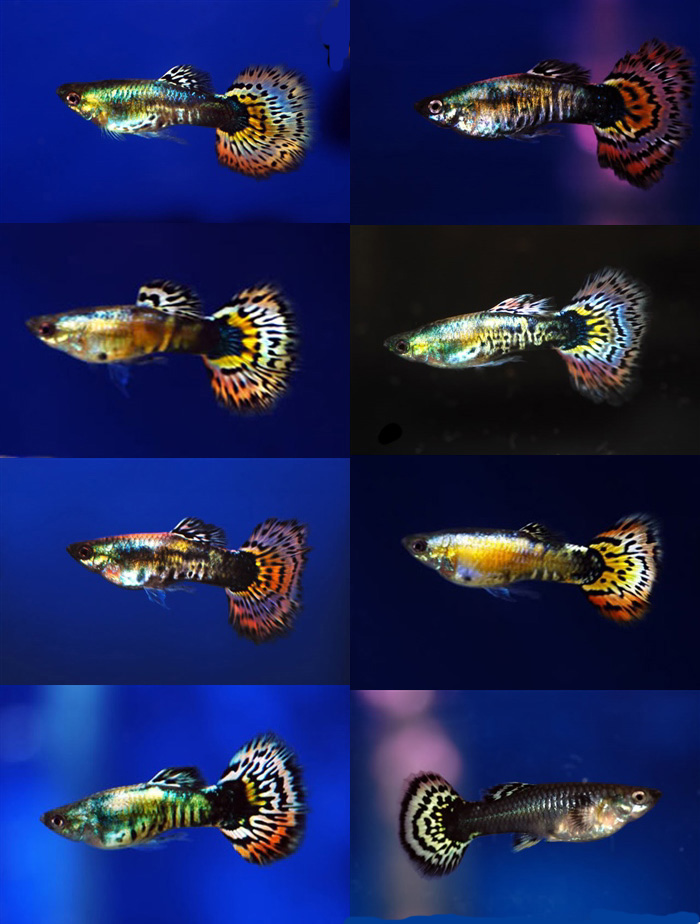

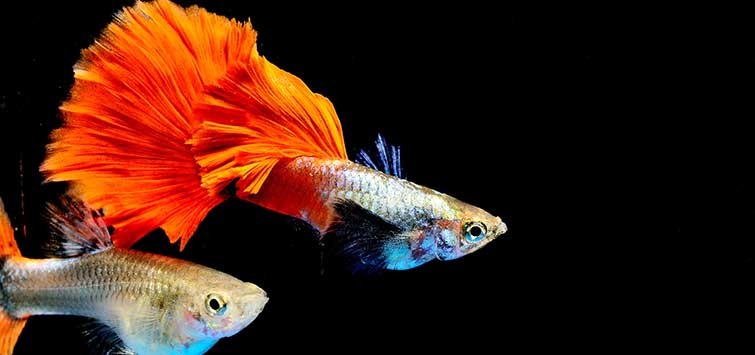
Responsible breeders help maintain standards. Best practices:
-
Keep detailed records of each strain’s lineage.
-
Clearly label hybrids (e.g., “Cobra × Moscow hybrid”) rather than selling them as pure.
-
Avoid selling F1 hybrids as breeding stock unless buyer knows what to expect.
-
Keep pure-strain tanks separate from experimental hybrid tanks.
-
Educate buyers about the genetic implications.
When breeders commit to these, the hobby remains strong, credible and sustainable.
9: Maintaining Pure Strains at Home


If you’re serious about keeping pure strains:
-
Use one strain per tank to avoid accidental mixing.
-
Replace breeders every few generations with fresh, documented stock.
-
Keep male lines supervised (avoid escapees, accidental mixing).
-
Buy from reliable sources with documented lineage.
-
Document your own breeding — date, parents, generation — to build value and stability.
10: Case Study: Endler-Guppy Hybrids


Known as Endler’s Livebearer (Poecilia wingei), these fish are extremely colourful. But their popularity has led to widespread hybridisation with common guppies.
-
Many fish sold as “Endlers” are hybrids, making true wild-type Endlers rare. Wikipedia
-
While hybrids add vibrant colour, they also blur the line between species, making conservation and pure-strain preservation harder.
Final Thoughts: Balance, Not Extremes


Hybridisation by itself isn’t “evil” — what destroys the gene pool is careless breeding, poor labelling, and lack of traceability.
When managed ethically, hybrids can push the hobby forward without undermining pure lines.
The smart approach: preserve pure strains and explore innovation — without confusing the two.