
What is the Ideal Lifespan of a Guppy Fish and How to Maximize It?
August 8, 2024 Betta Fish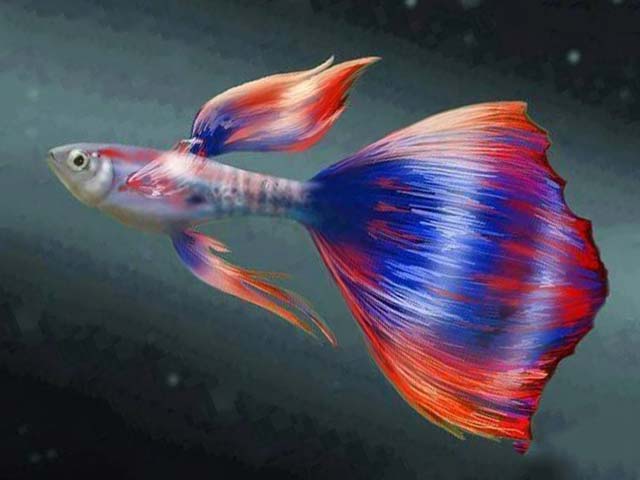
🐠 What Is the Ideal Lifespan of a Guppy Fish and How to Maximize It?
Guppies are one of the most popular freshwater fish in the world — and for good reason. They’re colorful, active, easy to breed, and make a great choice for both beginners and experienced aquarists.
But one common question often surprises new owners: how long do guppies actually live?
If your guppy seems to age quickly or dies after only a few months, you’re not alone. The truth is that a guppy’s lifespan depends on genetics, water quality, diet, and care. With the right setup, you can double or even triple their typical lifespan.
Let’s explore how long guppies live — and exactly how to help yours thrive for years instead of months.
⏳ 1. The Average Lifespan of a Guppy
Under normal home aquarium conditions, guppies live an average of 1.5 to 3 years.
However, the range can vary:
| Environment | Expected Lifespan |
|---|---|
| Wild guppies | 1–2 years |
| Pet store guppies (average care) | 1–2 years |
| Well-maintained home aquariums | 3–5 years |
| Selectively bred show guppies (excellent care) | Up to 6 years |
So, while “about two years” is often quoted, longer lifespans are absolutely possible. Many seasoned breeders have guppies living past 4 or even 5 years — proof that good care really makes a difference.
🧬 2. The Role of Genetics
One of the biggest factors in a guppy’s lifespan is its genetic background.
Commercial guppies — especially mass-produced fancy strains — are often bred for color rather than health or longevity. This can lead to:
-
Weaker immune systems
-
Inbreeding-related deformities
-
Lower fertility and shorter lifespans
If possible, buy guppies from reputable breeders who emphasize vitality over just color.
Healthy guppies should have:
-
A full, symmetrical body shape
-
Straight spine
-
Clear, bright eyes
-
Active swimming and feeding behavior
Strong genetics mean stronger immune responses — and a much longer life.
💧 3. Water Quality: The Lifespan Game-Changer
If genetics set the baseline, water quality determines how long your guppies actually live.
Guppies are tropical fish that thrive in clean, stable environments. Sudden parameter swings stress their organs and shorten lifespan.
Ideal Water Conditions:
| Parameter | Range | Notes |
|---|---|---|
| Temperature | 24–27°C (75–81°F) | Stable warmth prevents stress |
| pH | 7.0–7.5 | Slightly alkaline preferred |
| GH (hardness) | 8–12 dGH | Guppies like moderate hardness |
| KH | 4–8 dKH | Keeps pH stable |
| Ammonia/Nitrite | 0 ppm | Toxic even in small amounts |
| Nitrate | <20 ppm | Regular water changes needed |
Maintenance Routine:
-
Change 30–40% of water weekly
-
Use a quality dechlorinator (like Seachem Prime)
-
Vacuum the substrate to remove waste
-
Rinse filter sponges in tank water, not tap water
Good water = less disease, less stress, longer lives.
🥬 4. Nutrition and Diet: The Key to Longevity
A balanced diet fuels immune health and vibrant color — and directly extends lifespan.
What to Feed:
-
High-quality flakes or pellets: Look for brands with fish meal, spirulina, and vitamins.
-
Live/frozen foods: Brine shrimp, daphnia, bloodworms, or mosquito larvae once or twice weekly.
-
Vegetable matter: Blanched spinach, peas, or spirulina-based foods aid digestion.
Feeding Schedule:
Feed 2–3 small meals daily that your guppies finish in 1–2 minutes.
Avoid overfeeding — leftover food quickly pollutes water.
💡 Tip: Rotate food types throughout the week to mimic a natural diet.
🌿 5. Tank Setup and Environment
A guppy’s environment shapes its behavior, stress level, and health.
Here’s how to design a long-life tank:
✅ Tank Size
-
Minimum: 10 gallons (38 L) for a small group
-
Ideal: 20 gallons (75 L) or larger for stability and space
✅ Filtration
Use a gentle but efficient filter (like a sponge or hang-on-back filter). Guppies dislike strong currents but need oxygen-rich water.
✅ Plants and Decor
Live plants like Java moss, Anubias, Hornwort, and Amazon Sword offer hiding spots and natural filtration.
Add driftwood or smooth stones to create visual breaks and resting areas.
✅ Lighting
Moderate LED lighting with a regular 10–12-hour day/night cycle.
Too much light = stress and algae growth.
✅ Tankmates
Avoid fin-nippers or aggressive fish. Peaceful companions include:
-
Corydoras catfish
-
Otocinclus
-
Tetras (small, calm species)
-
Snails and shrimp
Stress-free tanks mean healthier, longer-living guppies.
🧠 6. Stress: The Silent Lifespan Killer
Even with perfect water and diet, chronic stress can shorten a guppy’s life dramatically.
Stress affects their immune system, leading to diseases like fin rot, ich, or columnaris.
Common Stress Triggers:
-
Sudden temperature or pH swings
-
Overcrowding
-
Aggressive tankmates
-
Poor oxygenation
-
Constant light or noise
-
Frequent chasing or handling
To reduce stress:
-
Maintain consistent water parameters
-
Provide plenty of plants and cover
-
Avoid tapping the glass or moving decor often
-
Keep a stable group size (1 male : 2–3 females or all-male tanks with enough space)
🦠 7. Disease Prevention and Health Checks
Even healthy guppies can fall ill if pathogens take hold.
A quick visual check each day goes a long way.
Daily Health Checklist:
| Sign | What It Means |
|---|---|
| Clamped fins | Stress or poor water quality |
| White spots | Possible ich infection |
| Lethargy | Temperature or ammonia issues |
| Ragged fins | Fin rot or aggression |
| Loss of color | Poor diet or illness |
Preventive Measures:
-
Quarantine new fish for 2 weeks before adding them
-
Maintain stable water changes
-
Avoid overstocking
-
Add Indian Almond Leaves for natural antibacterial tannins
Catching issues early prevents fatal outbreaks.
🐣 8. Breeding and Its Impact on Lifespan
Guppies are livebearers and can breed every 30 days. While this is exciting for hobbyists, it takes a physical toll on females.
Continuous breeding shortens female lifespan dramatically due to exhaustion and nutrient depletion.
To help females live longer:
-
Provide rest periods by separating sexes occasionally
-
Feed protein-rich foods after giving birth
-
Keep water exceptionally clean during pregnancy
Males, on the other hand, tend to live slightly longer because they don’t experience this strain — though constant chasing of females can also stress them.
Balanced male-to-female ratios (1:3) help everyone live longer.
🪞 9. Lifespan Myths vs. Facts
| Myth | Reality |
|---|---|
| Guppies only live one year | With care, they can reach 5+ years |
| They die easily | Only if neglected; healthy tanks are stable |
| Tap water is fine | Only if treated and stable in parameters |
| Breeding increases lifespan | Actually reduces female longevity |
| Guppies don’t need plants | Plants boost oxygen and reduce stress |
🧪 10. Lifespan Boosters: Expert Tricks
Over the years, experienced breeders have identified several small but powerful habits that make guppies live longer:
-
Use aged or pre-treated water for water changes.
-
Add trace minerals with aquarium salt (1 tsp per 5 gallons) — strengthens immune systems.
-
Keep temperatures moderate (around 25°C) — slower metabolism = longer life.
-
Avoid overbreeding — females live much longer when rested.
-
Feed variety — live, plant, and commercial foods.
-
Maintain group stability — constant rearranging stresses guppies.
-
Observe daily — early detection saves lives.
📈 11. Realistic Lifespan Goals
If you apply all the above, here’s what to expect realistically:
| Care Level | Typical Lifespan |
|---|---|
| Minimal care, small tank | 1 year |
| Moderate care, weekly changes | 2–3 years |
| Excellent care, balanced diet | 3–5 years |
| Breeder-level environment | 5–6 years |
Every small improvement — from diet variety to cleaner water — adds months or even years to their lives.
💬 12. My Personal Results
In my own tanks, I’ve raised guppies past four years old by focusing on stability and prevention.
My key success points:
-
Weekly maintenance (no skipped water changes)
-
Consistent 26°C temperature
-
Varied diet with live foods
-
Peaceful tankmates
-
Regular health observation
The result: bright, active, and long-lived guppies that stay stunning year after year.