
Quick Guide: Cycling Your Guppy Tank with Fish (The Safe Way)
April 11, 2025 Betta Fish Discus Fish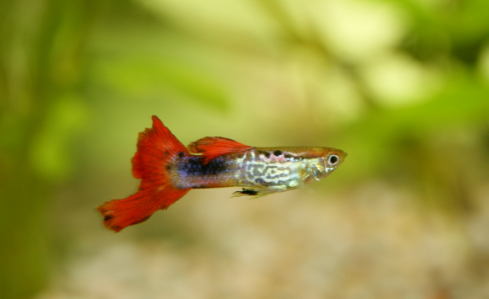
🐟 Introduction: Why Tank Cycling Matters for Guppies
Cycling your guppy tank is one of the most crucial steps in establishing a healthy and balanced aquarium ecosystem. The nitrogen cycle builds up beneficial bacteria that convert harmful toxins — ammonia and nitrite — into safer nitrates.
While many aquarists prefer a fishless cycle, it’s completely possible to cycle a tank with guppies inside, provided it’s done carefully and responsibly. This guide walks you through a stress-free, safe method to cycle your tank with live fish while protecting their health.

💧 Step 1: Setting Up the Tank Properly
Before adding your guppies, make sure the tank has:
- A sponge or hang-on-back filter running continuously.
- Dechlorinated water (treated with a reliable water conditioner).
- Live plants such as Java fern or hornwort — they absorb toxins and provide oxygen.
- A heater to maintain 25–27°C, which promotes bacterial growth.
Avoid over-cleaning during this period; beneficial bacteria need surfaces like gravel, glass, and filter media to grow.
🧪 Step 2: Introduce a Few Hardy Guppies
Start with a small number of guppies — ideally 2–3 hardy males — to kickstart the cycling process. Their waste provides the ammonia source that feeds the beneficial bacteria colony.
Tips:
- Avoid overfeeding (feed only what they eat in 30 seconds).
- Test your water daily for ammonia, nitrite, and nitrate levels.
- Perform 25–30% water changes every 2–3 days to dilute toxins.
This controlled waste introduction ensures cycling occurs safely without stressing the fish.
🔬 Step 3: Encourage Beneficial Bacteria Growth
Beneficial bacteria thrive in oxygen-rich environments.
You can accelerate their growth by:
- Adding bacteria starters like Seachem Stability or Tetra SafeStart.
- Keeping your filter running 24/7 — never turn it off at night.
- Avoiding antibacterial medications during cycling.
Within 2–3 weeks, you’ll begin seeing a drop in ammonia and a rise in nitrates — a sign that your cycle is maturing.
🌿 Step 4: Support the Cycle Naturally
Incorporating aquatic plants enhances the nitrogen balance. Plants like Anubias, Amazon swords, and floating water lettuce consume nitrates, helping maintain stable water chemistry.
Pro Tip:
Add a small amount of crushed coral or driftwood to stabilize pH and buffer hardness — guppies thrive in slightly hard, alkaline water.
🧘 Step 5: Keep Stress to a Minimum
Even with care, fish-in cycling can be stressful. Reduce guppy stress by:
- Providing hiding spots with plants or decorations.
- Keeping lighting moderate.
- Avoiding sudden temperature or pH changes.
- Feeding high-quality food like micro-pellets or brine shrimp to maintain strength.
Healthy, low-stress guppies will adapt more easily to the cycling process.
✅ Signs Your Tank Is Fully Cycled
You’ll know your guppy tank is safely cycled when:
- Ammonia = 0 ppm
- Nitrite = 0 ppm
- Nitrate = 10–30 ppm
At this stage, you can add more guppies gradually (2–3 per week). Continue regular water testing and partial water changes to keep the ecosystem balanced.