
The 12 Most Common Guppy Fry Health Issues and Prevention Tips
August 12, 2024 Discus Fish Gold Fish
🌱 Introduction
Raising guppy fry can be one of the most rewarding experiences for aquarists — but also one of the most delicate. These tiny, developing fish are vulnerable to a wide range of health problems that can quickly turn deadly if unnoticed.
In this guide, we’ll explore 12 of the most common guppy fry health issues and how you can prevent them with proper care, stable water conditions, and smart feeding habits.
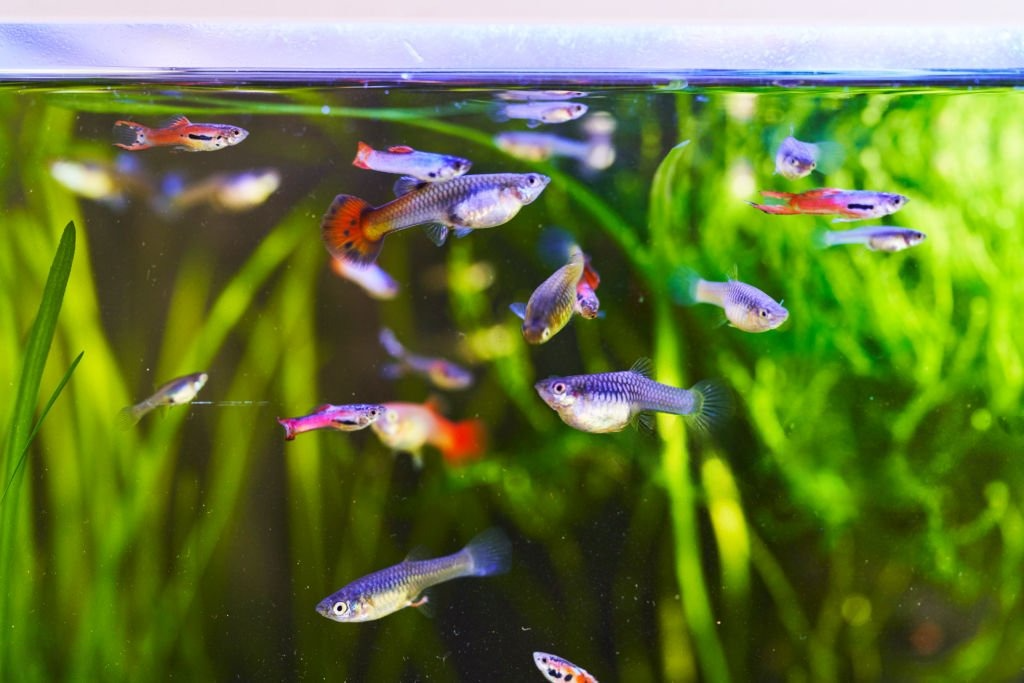
Alt Text: Healthy guppy fry swimming among plants in a nursery tank.
🧬 1. Ich (White Spot Disease)
Symptoms: Tiny white grains on the fry’s body and fins, erratic swimming.
Causes: Sudden temperature drops or introduction of infected fish.
Prevention: Maintain stable temperature (78–80°F), quarantine new fish, and perform slow acclimation.
🦠 2. Fungal Infections
Symptoms: White cotton-like patches on fins or body.
Prevention: Keep water clean, remove uneaten food, and treat with antifungal remedies if detected early.
🫧 3. Fin Rot
Symptoms: Frayed, discolored fins.
Prevention: Regular water changes and avoid overcrowding. Maintain pristine water and avoid aggressive tank mates.
🩸 4. Bacterial Infections
Symptoms: Red streaks, ulcers, lethargy.
Prevention: Ensure good filtration and avoid overfeeding. Use aquarium salt and antibacterial treatments when needed.
🌡️ 5. Temperature Shock
Symptoms: Sudden inactivity or death after a water change.
Prevention: Always match new water temperature with the tank’s temperature during changes.
🍽️ 6. Malnutrition
Symptoms: Slow growth, bent spines, or small body size.
Prevention: Feed a mix of high-protein fry food, baby brine shrimp, and micro worms. Rotate diets for balanced nutrition.
💧 7. Ammonia Poisoning
Symptoms: Gasping at the surface, red or inflamed gills.
Prevention: Keep ammonia at 0 ppm by performing small, regular water changes and using a cycled sponge filter.

Alt Text: Guppy fry thriving in clean water near sponge filter.
🪸 8. Swim Bladder Disorder
Symptoms: Difficulty swimming upright or floating abnormally.
Prevention: Avoid overfeeding, use easily digestible food, and maintain clean water.
🧫 9. Velvet Disease
Symptoms: Gold-dust shimmer or fine coating on skin.
Prevention: Stable temperature and quick quarantine of infected fish; treat with aquarium salt and dim lighting.
🪱 10. Internal Parasites
Symptoms: Stringy feces, bloating, loss of appetite.
Prevention: Feed high-quality, parasite-free food and treat infected tanks with antiparasitic medication.
🧍 11. Overcrowding Stress
Symptoms: Fry hiding excessively, uneven growth, or weak survival rates.
Prevention: Keep density below 10–15 fry per gallon and provide plants for hiding.
🌿 12. Poor Genetics
Symptoms: Deformities or weak fry from birth.
Prevention: Select strong, healthy breeding pairs and avoid inbreeding.
Alt Text: Vibrant, healthy guppy fry feeding on baby brine shrimp.
🧠 Expert Prevention Tips
-
Test water weekly (ammonia, nitrite, nitrate, pH).
-
Use a sponge filter to prevent fry from being sucked in.
-
Feed small portions multiple times per day instead of one large feeding.
-
Keep the breeding or nursery tank well-planted to reduce stress.