
14 Mistakes Beginner Guppy Keepers Make and How to Fix Them
May 3, 2024 Vampire Squid
🐠 14 Mistakes Beginner Guppy Keepers Make and How to Fix Them
Guppies are often called the “gateway fish” for new aquarists — colorful, active, and seemingly easy to care for. But while they’re hardy, they’re not indestructible. Many new guppy keepers make the same preventable mistakes that lead to stress, disease, and short lifespans.
The good news? Once you understand these pitfalls — and how to fix them — guppies become one of the most rewarding fish to keep.
Here are the 14 most common beginner guppy mistakes and exactly how to avoid or correct them.
⚠️ 1. Starting Without Cycling the Tank
The Mistake:
Many beginners add guppies to a new tank right after filling it with water — before the nitrogen cycle has established. This causes deadly ammonia and nitrite spikes that burn the fish’s gills.
The Fix:
“Cycle” your tank for 3–4 weeks before adding guppies.
-
Add a bacterial starter (like Seachem Stability).
-
Test water regularly for ammonia, nitrite, and nitrate.
-
Wait until ammonia and nitrite read 0 ppm before introducing fish.
💡 Pro Tip: Use hardy plants like Java moss or Anubias to help stabilize the tank faster.
💧 2. Neglecting Water Changes
The Mistake:
New owners often rely solely on the filter, forgetting that waste and nitrates still accumulate. This leads to cloudy water, algae, and unhealthy fish.
The Fix:
Perform weekly water changes (30–40%) to maintain water quality.
Use a gravel vacuum to remove debris, and always treat new water with a dechlorinator.
💡 Pro Tip: Test nitrates weekly — if they exceed 30 ppm, increase water change frequency.
🐟 3. Overstocking the Tank
The Mistake:
Guppies are small, but they multiply fast. Beginners often add too many fish at once or underestimate how quickly fry appear.
The Fix:
Follow the 1 guppy per 2 gallons (7.5 L) rule.
Start with a manageable group (like 1 male and 2–3 females) and separate fry early if you don’t want overcrowding.
💡 Pro Tip: Use an all-male tank if you prefer a colorful display without endless breeding.
🌡️ 4. Ignoring Temperature Fluctuations
The Mistake:
Beginners assume guppies can adapt to any room temperature. Sudden drops at night or during water changes cause immune stress and illness.
The Fix:
Keep temperature stable between 25–27°C (77–81°F) with a reliable heater.
Use a digital thermometer to monitor consistency.
💡 Pro Tip: Always match the new water’s temperature before refilling the tank during changes.
⚖️ 5. Feeding Too Much or Too Little
The Mistake:
Beginners love feeding fish — often too much! Excess food decays, pollutes the tank, and causes guppies to develop bloating or swim bladder issues.
The Fix:
Feed small portions 2–3 times daily — only what they can finish in 1–2 minutes.
Include variety: flakes, pellets, and live/frozen foods.
💡 Pro Tip: Fast your guppies one day per week to clear their digestive systems.
🧪 6. Skipping Water Testing
The Mistake:
Many new hobbyists rely on appearance alone — “the water looks fine” — but toxins are invisible. Poor parameters shorten lifespan dramatically.
The Fix:
Invest in a liquid test kit (like API Freshwater Master Test).
Check these weekly:
-
Ammonia: 0 ppm
-
Nitrite: 0 ppm
-
Nitrate: <20 ppm
-
pH: 7.0–7.5
💡 Pro Tip: Log results in a notebook to spot trends early.
🪴 7. No Plants or Hiding Spaces
The Mistake:
Bare tanks may look tidy but leave guppies stressed and exposed. Stress weakens their immune system and reduces color vibrancy.
The Fix:
Add live or artificial plants like Java moss, Hornwort, or Anubias.
These offer hiding spots, improve oxygen, and absorb waste.
💡 Pro Tip: Floating plants (Duckweed, Frogbit) calm males and reduce aggression.
💥 8. Mixing Aggressive Tankmates
The Mistake:
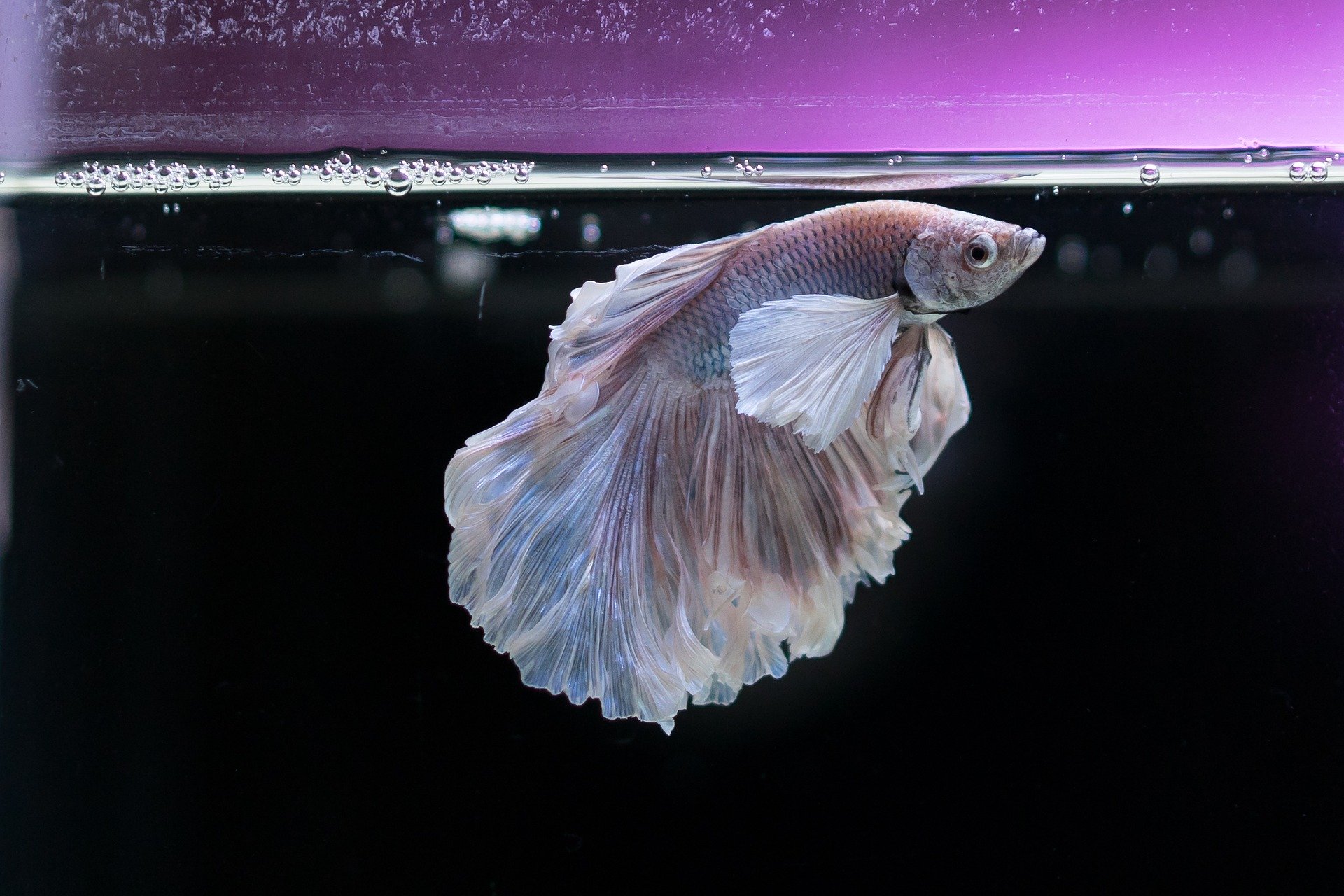
Beginners often keep guppies with fish that nip their fins — like tiger barbs or bettas. This causes injuries and infections.
The Fix:
Keep guppies with peaceful species, such as:
-
Corydoras catfish
-
Neon or ember tetras
-
Mollies or platies
-
Otocinclus
Avoid fin-nippers and large, territorial fish.
💡 Pro Tip: Observe new tankmates for a week before adding more.
💡 9. Buying Weak Stock
The Mistake:
Impulse-buying guppies from overcrowded or poorly maintained pet store tanks often introduces sick or genetically weak fish.
The Fix:
Choose guppies from clean tanks with active swimming and bright colors.
Avoid fish with:
-
Clamped fins
-
Sunken bellies
-
White spots or sluggish movement
💡 Pro Tip: Buy from local breeders who prioritize health and strong genetics over color alone.
🧬 10. Ignoring Gender Ratios
The Mistake:
Many beginners keep all males and females together without realizing how aggressive males can become during mating.
The Fix:
Maintain a ratio of 1 male : 2–3 females.
This reduces harassment and stress.
If you don’t want fry, keep only males — they’re more colorful and easier to manage.
💡 Pro Tip: Add floating plants to help females rest from constant chasing.
🐣 11. Letting Fry Overrun the Tank
The Mistake:
Guppies breed so quickly that a tank can go from 5 to 50 fish in months. Overcrowding leads to ammonia spikes and stunted growth.
The Fix:
Decide on a population plan early.
-
Move pregnant females to a breeder box or separate tank.
-
Rehome, sell, or cull (ethically) excess fry.
-
Use all-male setups if you don’t want to breed.
💡 Pro Tip: Keep a grow-out tank if you’re selectively breeding strains.
🧹 12. Neglecting Filter Maintenance
The Mistake:
Filters are “out of sight, out of mind” — until they clog, reducing oxygen and flow. This creates waste buildup and bacterial imbalance.
The Fix:
-
Rinse sponges and media every 2 weeks in tank water (never tap water).
-
Replace cartridges only when falling apart.
-
Keep the intake free of debris.
💡 Pro Tip: Use a sponge pre-filter to protect fry and extend filter life.
🧠 13. Believing Guppies Are “Set and Forget” Fish
The Mistake:
Because guppies are hardy, beginners assume they need little attention. Neglecting routine care leads to decline over time.
The Fix:
Create a weekly maintenance schedule:
| Task | Frequency |
|---|---|
| Water change | Weekly (30–40%) |
| Glass cleaning | Weekly |
| Filter check | Every 2 weeks |
| Water testing | Weekly |
| Feeding | 2–3× daily (small amounts) |
💡 Pro Tip: Treat your aquarium like a garden — consistency yields beauty.
🧬 14. Mixing Strains Carelessly
The Mistake:
Crossing multiple guppy strains (like Moscow, Cobra, and Tuxedo) produces dull, inconsistent offspring with poor genetics.
The Fix:
Stick to one strain per breeding tank if you want stable colors and patterns.
If you’re experimenting, label tanks clearly and track lineages.
💡 Pro Tip: Use notebooks or spreadsheets to record pairings and fry results — just like professional breeders do.
🌈 Bonus Tip: Keep Observation a Habit
The best guppy keepers are observers first.
Watch your fish daily for:
-
Clamped fins
-
Rapid breathing
-
Loss of appetite
-
Hiding or flashing behavior
These early signs can save your fish before problems escalate.
🧭 Quick Reference Summary
| Mistake | Fix |
|---|---|
| Uncycled tank | Establish nitrogen cycle before adding fish |
| No water changes | Weekly 30–40% water change |
| Overstocking | 1 guppy per 2 gallons |
| Temp swings | Stable 25–27°C with heater |
| Overfeeding | Small meals, 2–3× per day |
| Skipping testing | Weekly water checks |
| No plants | Add hiding spots |
| Wrong tankmates | Choose peaceful species |
| Weak stock | Buy from reputable breeders |
| Wrong ratio | 1 male : 2–3 females |
| Overbreeding | Control fry population |
| Dirty filter | Clean regularly |
| Neglect | Follow routine |
| Mixing strains | Keep strains separate |