
Top 5 Essential Vitamins Guppies Need for Vibrant Coloration
April 8, 2025 Discus Fish Guppy Fish
Introduction
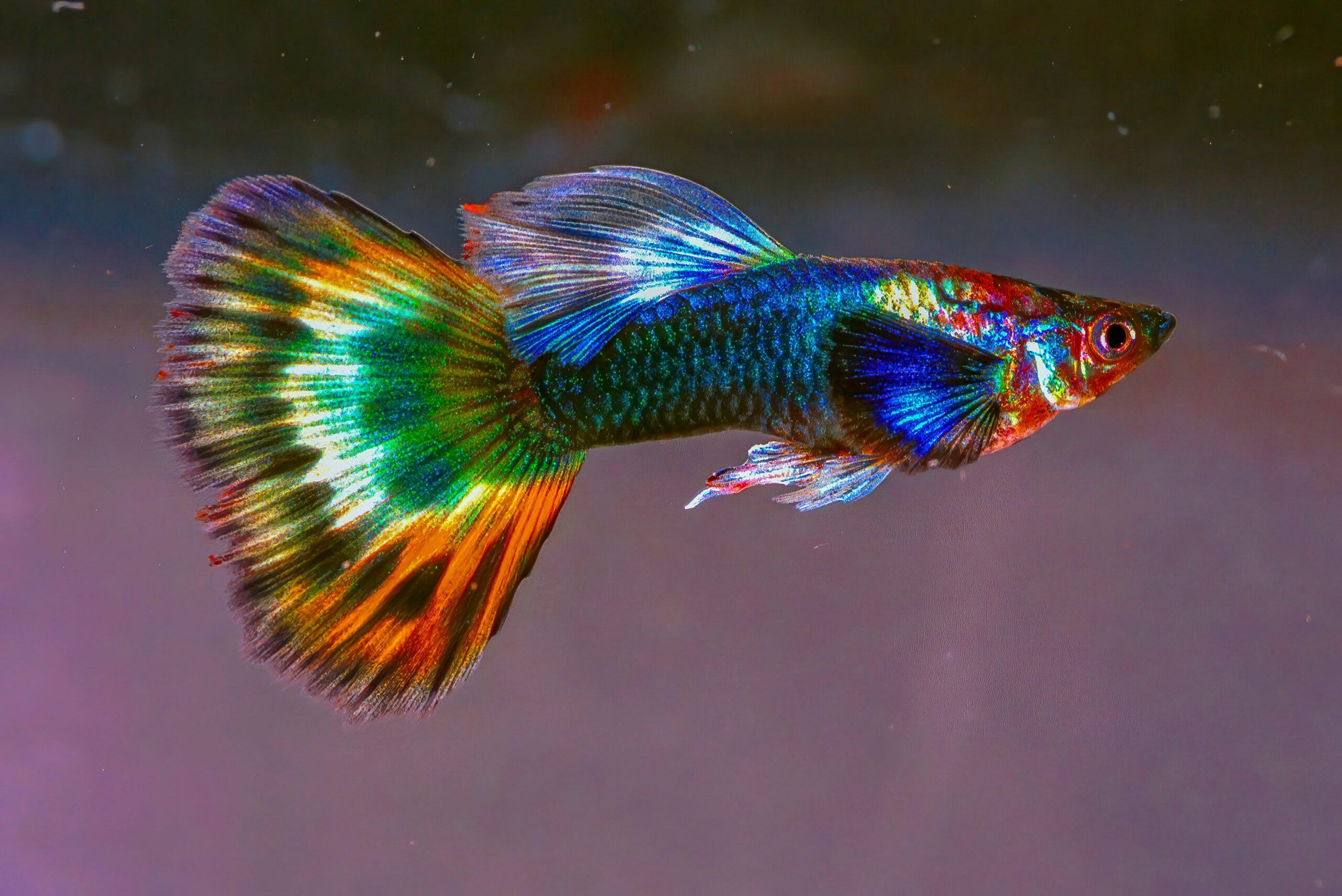
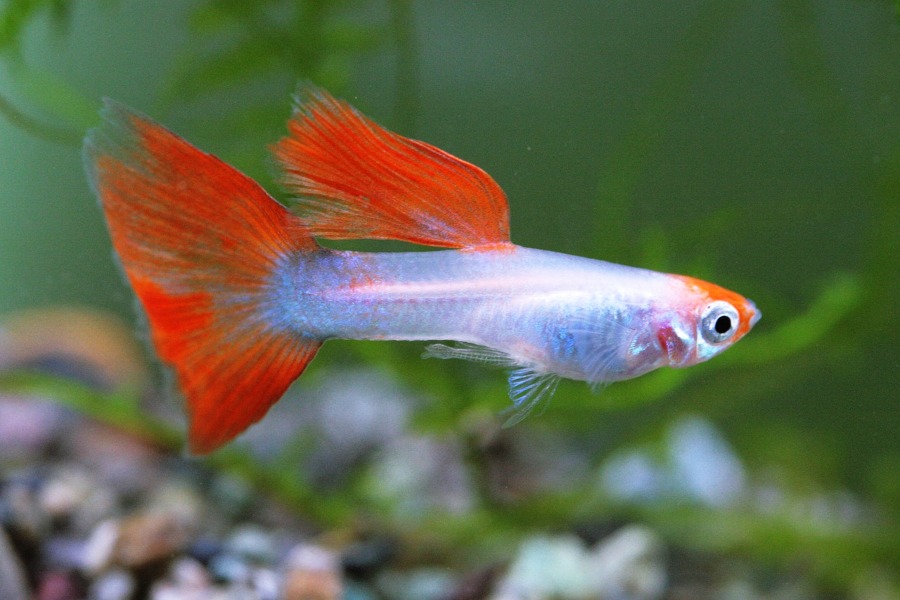
Guppies are renowned for their vibrant colors, flowing tails, and shimmering patterns. Whether you’re breeding fancy strains or maintaining a community tank, achieving and maintaining those rich hues depends heavily on proper nutrition — particularly vitamins.
While guppies can survive on basic flakes or pellets, thriving — with intense reds, blues, and metallic sheens — requires a vitamin-balanced diet. Just like humans, guppies need specific vitamins to maintain metabolic health, immune strength, and pigment production.
In this guide, we’ll explore the top 5 essential vitamins that play a direct role in guppy coloration, explain how they work, and share the best food sources and supplementation tips.

1. Vitamin A — The Foundation for Healthy Skin and Scales
Function:
Vitamin A is essential for cell growth, epithelial tissue repair, and scale health. It supports the formation of carotenoid pigments, which are responsible for red, orange, and yellow hues in guppies.
When guppies lack Vitamin A, their colors may fade, fins may look dull, and the fish might appear pale or patchy. Long-term deficiency can even lead to vision problems and lower disease resistance.
Best Sources:
-
Brine shrimp and daphnia
-
Spirulina-based flakes
-
Carrot or pumpkin puree (in micro amounts)
-
Premium guppy color-enhancing pellets fortified with Vitamin A
Pro Tip:
Offer freshly hatched brine shrimp 3–4 times per week — it’s naturally rich in Vitamin A and beta-carotene, helping maintain a bright base tone in male guppies.
2. Vitamin C — The Color Booster and Stress Defender
Function:
Vitamin C (ascorbic acid) is a powerful antioxidant that boosts the immune system, promotes tissue healing, and helps guppies resist oxidative stress — one of the main factors that dull coloration.
It also aids in collagen formation, which keeps scales smooth and reflective, enhancing how light bounces off a guppy’s body.
Deficiency Signs:
-
Faded color patterns
-
Fin erosion or slow healing from minor injuries
-
Lethargy and poor appetite
Best Sources:
-
Fresh vegetables like peas, spinach, and kale (lightly blanched)
-
Vitamin C-fortified tropical flakes or pellets
-
Freeze-dried bloodworms enriched with ascorbic acid
Pro Tip:
Feed guppies small, fresh veggie treats twice weekly — they not only improve color but also support digestion and immunity.
3. Vitamin E — The Guardian of Guppy Pigments
Function:
Vitamin E works as a fat-soluble antioxidant, protecting guppy cells (and pigments) from oxidation. Since guppy colors are derived from pigments stored in lipid layers, Vitamin E preserves these lipids and prevents the fading of reds, yellows, and iridescent hues.
It’s also crucial for reproductive health — brightly colored males often have higher breeding success, and Vitamin E supports fertility and embryo development.
Deficiency Signs:
-
Dull or uneven color tones
-
Reduced spawning success
-
Fatigue or lower immunity
Best Sources:
-
Fish oils and live brine shrimp
-
Bloodworms and mosquito larvae
-
Commercial guppy diets with Vitamin E enrichment
Pro Tip:
Supplement your guppy diet with micro-drops of fish oil (1 drop per 20 g food) once a week. This boosts Vitamin E absorption and enhances the shine of your guppies’ scales.
4. Vitamin D — The Pigment Regulator and Bone Strengthener
Function:
Vitamin D regulates calcium metabolism, ensuring strong bones and fin rays — critical for the posture and spread of tails that display color beautifully.
Beyond skeletal health, Vitamin D assists in the metabolism of carotenoids, the pigments responsible for red, yellow, and orange colors in guppies.
Deficiency Signs:
-
Bent spines or weak fins
-
Reduced activity
-
Dull appearance even with good food intake
Best Sources:
-
Sunlight or full-spectrum LED aquarium lighting (simulate daylight for 8–10 hours daily)
-
Vitamin D-fortified guppy flakes or pellets
-
Occasional feeding of live food (bloodworms, daphnia)
Pro Tip:
If your aquarium lacks natural light, use a high-CRI full-spectrum LED that promotes color expression while supporting Vitamin D synthesis.
5. Vitamin B Complex — The Energy and Pigment Catalyst
Function:
The B-vitamin group (B1, B2, B3, B6, B12) plays an indirect yet critical role in color expression by fueling metabolic energy and supporting the enzymatic processes that convert dietary carotenoids into usable pigment molecules.
Without enough B-vitamins, guppies cannot efficiently metabolize their color precursors, leading to faded or washed-out tones.
Deficiency Signs:
-
Loss of appetite
-
Weak swimming or lethargy
-
Poor color intensity, especially in males
Best Sources:
-
Yeast and algae-based flakes
-
Egg yolk (very small quantities)
-
Spirulina-enriched foods (rich in natural B complex and carotenoids)
-
Frozen or live daphnia
Pro Tip:
Rotate between spirulina flakes, high-protein live foods, and vitamin-enriched pellets to ensure a complete B-vitamin intake. Diversity is the secret to long-lasting color.
How Vitamins Interact with Carotenoids
Guppy coloration primarily comes from carotenoids and iridophores — pigment cells that reflect and refract light. Vitamins don’t provide color directly, but they enhance pigment production and stability:
| Vitamin | Role in Color Enhancement |
|---|---|
| A | Stimulates carotenoid storage in skin and scales |
| C | Protects pigments from oxidative breakdown |
| E | Preserves lipid-bound pigments (iridophores) |
| D | Regulates calcium for structure and pigment metabolism |
| B-Complex | Enables enzymatic conversion of color precursors |
Combining these vitamins with carotenoid-rich foods (like spirulina, krill, or paprika powder) gives guppies their trademark glow.
Feeding Strategy for Maximum Coloration
1️⃣ Mix Live, Frozen, and Dry Foods
Alternate between:
-
Live foods: Brine shrimp, bloodworms, daphnia
-
Frozen foods: Mysis shrimp, krill, tubifex
-
Dry foods: Vitamin-enriched guppy flakes or pellets
This rotation ensures balanced nutrient delivery and keeps guppies excited at feeding time.
2️⃣ Feed Small, Frequent Meals
Guppies have fast metabolisms — feed 2–3 small portions daily rather than one large meal. It ensures consistent vitamin absorption and prevents nutrient waste.
3️⃣ Soak Dry Foods in Vitamin Solution
Use liquid fish vitamins (like Seachem Nourish or Vitachem) once or twice weekly. Soak pellets or flakes for 10 minutes before feeding for better absorption.
4️⃣ Store Food Properly
Vitamins degrade quickly when exposed to air, heat, or light.
-
Keep food sealed and refrigerated.
-
Replace opened containers every 2–3 months.
Bonus: Natural Color Enhancers Beyond Vitamins
Enhancing guppy color isn’t just about vitamins — some natural compounds work alongside them:
-
Spirulina: Rich in chlorophyll and carotenoids for greens and blues.
-
Astaxanthin (from krill or algae): Intensifies reds and oranges.
-
Paprika powder: Adds warmth to orange/yellow guppies (use very sparingly).
-
Marigold extract: Enhances golden hues.
Together with the five core vitamins, these natural enhancers promote rich, stable coloration without artificial dyes.
Common Mistakes to Avoid
| Mistake | Effect |
|---|---|
| Overfeeding vitamin supplements | Can cause fatty liver disease or water contamination |
| Ignoring varied diet | Leads to specific vitamin deficiencies |
| Using expired foods | Vitamin potency drops drastically |
| Lack of aquarium lighting | Reduces Vitamin D synthesis and pigment visibility |
| Neglecting water quality | Dirty water dulls scales and reduces reflective coloration |
Conclusion
Vibrant, healthy guppies are not just about genetics — nutrition determines how those genes express their true colors.
By incorporating the five essential vitamins — A, C, E, D, and the B-Complex — you’ll ensure your guppies display their brightest, most natural shades while staying active and resilient. Combine vitamin-rich foods, stable lighting, and a clean environment, and your guppy tank will become a dazzling underwater showcase.