
Water Hardness for Guppies: The Ideal GH and KH Levels Explained
September 28, 2025 Discus Fish Gold Fish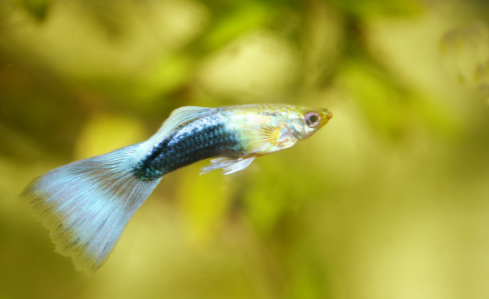
🐠 Introduction: Why Water Hardness Matters for Guppies
Guppies (Poecilia reticulata) are among the most adaptable freshwater fish — but even these hardy little swimmers have specific water chemistry needs. One of the most overlooked parameters in guppy care is water hardness, specifically General Hardness (GH) and Carbonate Hardness (KH).
These two factors influence everything from your guppy’s color vibrancy and bone strength to breeding success and disease resistance. Understanding and maintaining the correct GH and KH levels can mean the difference between a thriving aquarium and chronic stress for your fish.

💧 Understanding GH (General Hardness)
General Hardness (GH) measures the concentration of dissolved minerals — mainly calcium (Ca²⁺) and magnesium (Mg²⁺) — in the water. These minerals are vital for:
-
Healthy bone and scale formation
-
Proper muscle and nerve function
-
Color enhancement and growth
Ideal GH Range for Guppies:
-
8–12 dGH (140–200 ppm)
If your water is too soft, guppies may show faded colors, erratic swimming, and even deformities in fry. On the other hand, excessively hard water can cause mineral buildup and make it difficult to maintain stable pH levels.

⚙️ Understanding KH (Carbonate Hardness)
Carbonate Hardness (KH) measures the concentration of carbonates and bicarbonates, which help buffer your water against pH swings. A stable KH ensures that your guppy tank doesn’t suffer from dangerous pH crashes that stress or kill fish.
Ideal KH Range for Guppies:
-
4–8 dKH (70–140 ppm)
Maintaining good KH keeps the pH steady around 7.0–8.0, which guppies naturally prefer.
🔬 GH vs. KH: What’s the Difference?
| Parameter | What It Measures | Ideal Range | Function |
|---|---|---|---|
| GH | Calcium & Magnesium | 8–12 dGH | Bone health, coloration, growth |
| KH | Carbonates & Bicarbonates | 4–8 dKH | pH stability, buffer against acidity |
Both GH and KH work together to maintain a healthy aquatic environment. Ignoring either can destabilize your tank ecosystem.🧪 How to Test and Adjust Water Hardness
Testing
Use a liquid water test kit (like API or Tetra) or digital hardness meter. Test both GH and KH weekly, especially after water changes.
Increasing Hardness
-
Add crushed coral or aragonite to the filter or substrate.
-
Use mineral-rich rocks (like limestone).
-
Dose remineralization products like Seachem Replenish or Equilibrium.
Decreasing Hardness
-
Mix in RO (reverse osmosis) or distilled water to dilute minerals.
-
Avoid over-mineralizing with tap water additives.
🌿 Real-World Example: Breeding Success with Balanced Hardness
Breeders have observed that guppies in moderately hard water develop stronger fry with higher survival rates. Balanced GH and KH not only support breeding but also enhance guppy color intensity — particularly in strains like Moscow Black, Red Tail, and Neon Blue.
⚠️ Common Mistakes to Avoid
-
Relying solely on pH readings — GH and KH are the foundation of stable pH.
-
Using tap water without testing — Municipal water varies widely in hardness.
-
Overcorrecting — Sudden changes can shock guppies; always adjust gradually.
✅ Summary: The Key Takeaway
| Parameter | Ideal Range | Purpose |
|---|---|---|
| GH | 8–12 dGH | Supports color, growth, and bone health |
| KH | 4–8 dKH | Maintains pH stability and tank equilibrium |
Proper hardness equals healthy guppies. Regular testing, gradual adjustments, and mineral balance are the secrets to vibrant, active fish.