
The Best Guppy Tank Size: Debunking the Gallon-Per-Fish Rule
October 11, 2025 Guppy Fish Vampire Squid
🐠 Introduction: Rethinking the Gallon-Per-Fish Rule
For decades, fishkeepers have followed the simple “one gallon per fish” guideline. While it seems straightforward, this rule can be misleading and even harmful, especially for active, social species like guppies.
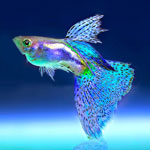
Guppies are not just ornamental fish — they’re energetic, curious, and thrive in communities. Their needs extend far beyond a basic gallon-per-fish calculation. In this blog, we’ll debunk this old myth and uncover the real science behind choosing the right guppy tank size for a thriving aquarium ecosystem.
📏 The Origin of the Gallon-Per-Fish Rule
The “one gallon per fish” concept dates back to the early 1900s when filtration systems were primitive and aquarium science was in its infancy. The rule was meant as a quick estimate, not a biological standard.
However, guppies — being livebearers and rapid breeders — need more space, filtration, and oxygenation than what this outdated rule provides.

Why it doesn’t work for guppies:
- Guppies are schooling fish that prefer open space for movement.
- They produce waste quickly, increasing bioload.
- They breed frequently, leading to sudden overpopulation.
- Small tanks fluctuate water quality faster, causing stress and disease.
⚖️ The Science of Tank Volume and Bioload
A guppy’s environment depends on maintaining balance in the nitrogen cycle — converting toxic ammonia into nitrite, then nitrate. The more water volume you have, the easier it is to keep this balance.
Rule of thumb:
A larger tank = more stability = happier, healthier guppies.
| Tank Size | Capacity | Suitable For | Maintenance Level |
|---|---|---|---|
| 5 gallons | 1–2 guppies | Temporary or quarantine use | High |
| 10 gallons | 3 guppies (1 male + 2 females) | Starter tank | Moderate |
| 20 gallons | 6–8 guppies | Ideal small colony | Easy |
| 30+ gallons | 10–15 guppies | Breeding or display tank | Very Stable |
🌿 Why Bigger Tanks Are Always Better
Small tanks might look cute and convenient, but they limit your guppies’ natural behaviors. A larger tank offers more room for swimming, better oxygen levels, and fewer aggressive encounters.
Benefits of a larger guppy tank:
- Better water quality and fewer pH swings
- Reduced aggression among males
- Room for fry survival
- Easier maintenance and cleaning
- Space for plants and décor for enrichment
💡 Tip: Always choose the biggest tank your space and budget allow — it will save time and stress later.
🧠 Social Dynamics and Space
Guppies are social and hierarchical. Males often compete for dominance, which can turn aggressive if space is limited.
By providing adequate room (10–20 gallons minimum), you ensure:
- Proper spacing for territories
- Balanced gender ratios (1 male:2 females)
- Healthier stress-free interactions
💧 Filtration and Oxygenation Matter
Even with a large tank, guppies rely on clean, oxygen-rich water. Choose a filter that cycles the tank water 4–5 times per hour and use live plants like hornwort, Java moss, or Anubias to maintain a natural ecosystem.
Recommended setup:
- Sponge or hang-on-back filter
- Heater (76–80°F)
- LED lighting for plant growth
- Weekly 20–30% water changes
🔄 Why Overcrowding Is Dangerous
Overcrowding leads to:
- Rapid waste buildup
- Stressed immune systems
- Algae growth
- Shortened lifespan
A good strategy is to understock initially, then gradually add guppies as your filtration system matures.
🌍 Creating a Natural Ecosystem
Think of your guppy tank as a miniature aquatic world. It needs balance — between plants, fish, and bacteria.
- Add floating plants for cover and nitrate absorption.
- Use fine gravel or sand substrate to support plant roots.
- Ensure 12 hours of lighting daily for photosynthesis.
The larger the tank, the easier it is to maintain this ecosystem without constant intervention.