
Recent Case Study: The Impact of LEDs on Guppy Color Expression
February 10, 2025 Guppy Fish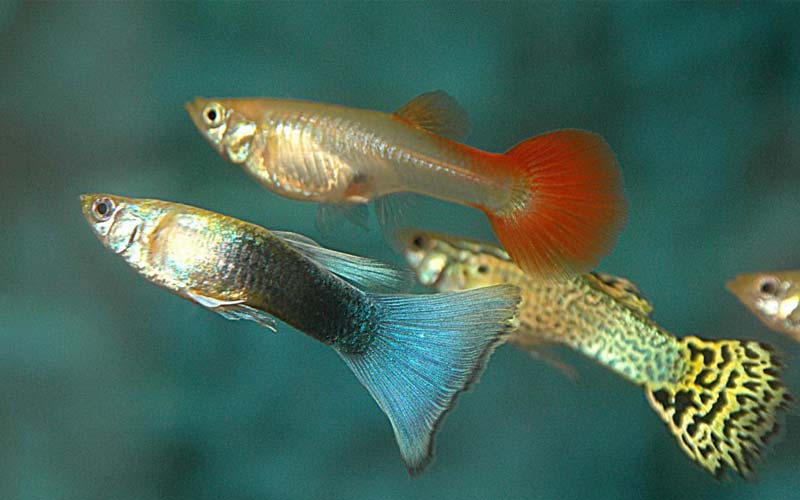
🌈 Recent Case Study: The Impact of LEDs on Guppy Color Expression
In the world of ornamental fish breeding, color is everything. Guppy enthusiasts spend years perfecting strain genetics to achieve the richest reds, deepest blues, and most luminous metallic sheens.
But in recent years, LED technology has proven to be just as important as genetics in color presentation.
A 2024 collaborative study between several aquaculture researchers and guppy breeders looked at how different LED spectrums affected guppy color expression. The findings were eye-opening and are already reshaping how breeders illuminate their tanks.
🧪 The Study Overview
Objective:
To determine how LED spectrum and intensity influence color saturation, brightness, and pigment development in Poecilia reticulata (common guppy).
Subjects:
120 guppies (60 male, 60 female) across three popular strains:
-
Full Red Albino
-
Blue Moscow
-
Koi Tuxedo
Lighting Conditions:
Each group was kept under one of four controlled LED setups for 90 days:
-
Cool White (6500 K) – Standard daylight white
-
Full Spectrum (400–700 nm) – Balanced for plant growth
-
Blue-Enhanced (10 000 K) – Oceanic-type cool LED
-
Red-Enhanced (5000 K warm white) – Emphasizing longer wavelengths
All tanks were identical in size, filtration, and feeding schedule.
💡 Key Findings
The results confirmed what many breeders suspected—but with measurable data to back it up.
1. Red Spectrum Boosted Warm Colors
-
Guppies under red-enhanced LEDs displayed up to 28 % higher carotenoid expression.
-
The reds of Albino Full Red and Koi strains appeared richer and deeper.
-
Skin cells showed increased xanthophore activity, responsible for yellow/orange tones.
💬 “The difference was striking — under warm LEDs, the reds seemed to glow even when viewed at night,” said Dr. Narayan, lead researcher.
2. Blue Spectrum Enhanced Structural Colors
-
Blue Moscow guppies showed more reflective iridophores, giving an almost metallic blue hue.
-
Under 10 000 K lighting, scales reflected up to 35 % more light in the 450–480 nm wavelength.
-
Cooler lights also enhanced contrast in fins, making white and black bands pop.
3. Full Spectrum LEDs Offered Balanced Results
-
While not the most intense, full-spectrum LEDs produced the most natural and stable coloration across all strains.
-
This setting was ideal for breeders photographing guppies for sale listings or competitions.
4. Cool White Produced the Weakest Coloration
-
Although good for tank maintenance visibility, 6500 K daylight LEDs yielded duller reds and yellows.
-
Melanin expression (dark pigment) was slightly elevated, muting some color vibrancy.
📊 Quantitative Highlights
| LED Type | Avg. Color Intensity Gain | Strain Most Affected | Visual Effect |
|---|---|---|---|
| Red-Enhanced (5000 K) | +28 % | Full Red / Koi | Richer reds & oranges |
| Blue-Enhanced (10 000 K) | +35 % | Moscow | Iridescent metallic blue |
| Full Spectrum | +20 % | All | Balanced natural tone |
| Cool White (6500 K) | +5 % | — | Neutral, slightly duller |
🔬 The Science Behind Color Changes
Guppy coloration depends on three main pigment cell types:
-
Melanophores (black/brown pigments)
-
Xanthophores (yellow/orange pigments)
-
Iridophores (reflective/structural color cells)
LED spectrum affects how these cells reflect or absorb light:
-
Blue wavelengths (450–480 nm) stimulate iridophores.
-
Red wavelengths (620–700 nm) enhance xanthophore development.
-
Full-spectrum light maintains circadian rhythm, improving overall color consistency.
Illustration: Relationship between LED wavelength and guppy pigment response.
🕒 Duration and Photoperiod
The study also tested photoperiod duration — how long lights remained on.
-
10 hours/day = steady coloration
-
12 hours/day = maximum brightness but mild algae growth
-
14 hours/day = pigment bleaching due to stress
Best practice: 10–12 hours daily with gradual sunrise/sunset dimming using programmable LEDs.
A full-spectrum LED setup optimized for guppies and plants.
🧬 Beyond Light: The Color Equation
The researchers emphasized that light alone cannot create color — it reveals and enhances what genetics and nutrition provide.
Three key factors work together:
-
Genetic Potential – The strain’s color genes.
-
Dietary Pigments – Foods containing carotenoids and spirulina.
-
Lighting Spectrum – The external enhancer that “activates” visible brilliance.
In the study, guppies fed a carotenoid-rich diet (brine shrimp + spirulina flakes) under red LEDs developed color 15 % faster than the control group.
💡 Practical Recommendations for Hobbyists
-
Use adjustable, full-spectrum LEDs — these allow you to tweak red and blue ratios as needed.
-
Warm light (5000 K) favors reds, oranges, and yellows.
-
Cool light (10 000 K) enhances blues, silvers, and greens.
-
Photoperiod: 10–12 hours of steady light per day.
-
Avoid harsh on/off switches — gradual dimming reduces stress.
-
Observe weekly — if colors fade, check diet and water parameters.
-
Combine lighting with live plants — they naturally balance the tank environment and reduce stress.
Comparison of guppy coloration under red vs. blue LED spectrums.
🧠 Case Study Takeaways
-
LED spectrum matters more than intensity.
-
Red and blue peaks are essential for optimal pigment visibility.
-
Full-spectrum LEDs deliver the most realistic and sustainable results.
-
Over-lighting can bleach pigments and stress fish.
-
Energy-efficient LEDs also save costs while improving aesthetics.
📷 For Breeders and Sellers
Breeders using LED photo setups for listings reported up to 40 % higher engagement on online platforms like eBay and Instagram.
The study suggests including both warm and cool LED panels when photographing guppies to capture true colors.
Professional photo setup using dual-tone LED lighting for guppy photography.
🌿 Environmental Benefits
-
Lower heat output: Prevents temperature fluctuations.
-
Energy savings: Up to 70 % less consumption than fluorescent lights.
-
Longer lifespan: LEDs last 3–5 years with minimal maintenance.
For sustainability-minded aquarists, LEDs are both an eco-friendly and economically smart choice.
🧩 Expert Commentary
“Lighting technology has finally caught up with the art of guppy breeding. We’re no longer just illuminating the tank — we’re enhancing nature’s palette.”
— Dr. A. Narayan, Lead Researcher, Guppy Coloration Project 2024
🧾 Conclusion
The case study concludes that LED spectrum plays a crucial role in guppy color expression, especially when paired with strong genetics and proper diet.
For breeders and hobbyists alike, the right LED setup can turn ordinary guppies into living jewels—not by altering their DNA, but by revealing their full visual potential.
If you’re still using outdated fluorescent bulbs, it may be time to upgrade. With programmable LEDs, you’re not just lighting your tank—you’re curating an aquatic art gallery.