
Late 2024 Update: Ich (White Spot) Treatment Protocols That Actually Work
September 2, 2024 Vampire Squid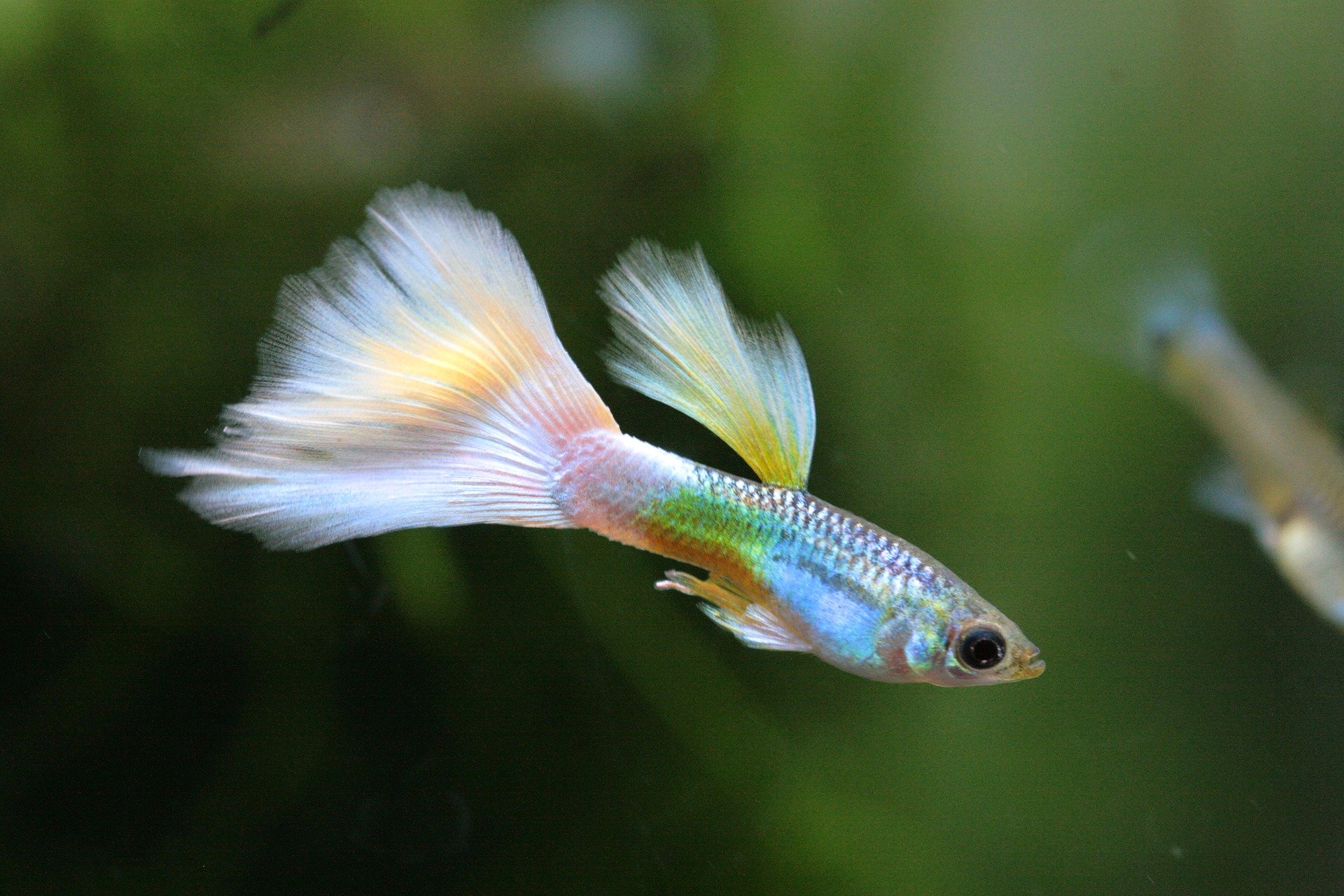
🧬 Late 2024 Update: Ich (White Spot) Treatment Protocols That Actually Work
Ichthyophthirius multifiliis — better known as Ich or White Spot Disease — remains one of the most common and persistent fish ailments. Even experienced aquarists find themselves battling those tiny white cysts that seem to appear overnight.
By late 2024, several updates in treatment practices and medication formulations have reshaped how aquarists safely eliminate Ich from guppy tanks and other freshwater setups. This guide distills the most effective modern protocols that work without harming your fish or biological balance.
⚠️ What Is Ich and Why It’s So Persistent
Ich is caused by a protozoan parasite that burrows into fish skin and gills. Its life cycle includes three stages:
-
Trophont (Visible White Spots): Parasite attached to fish, feeding on tissues.
-
Tomont (Encysted Stage): Falls off and divides into hundreds of new parasites.
-
Theront (Free-Swimming Stage): Infectious form that seeks new hosts.
Only the free-swimming stage is vulnerable to treatment — meaning timing and consistency are crucial.
🧠 The 2024 Understanding: Key Changes in Ich Management
Since the 2020s, many aquarists relied on “raise heat + add salt” as the universal fix. But data and anecdotal experience now show that Ich strains have become more heat- and salt-tolerant due to adaptation.
Modern Ich management focuses on multi-layered treatment:
-
Adjusting temperature to speed up the life cycle, not kill outright
-
Combining gentle salt concentration with targeted medication
-
Supporting the immune system with stable water and oxygen levels
🧩 Step-by-Step Ich Treatment Protocols (Late 2024)
Below are three proven treatment tracks depending on the severity of infection and tank type.
🩺 Protocol A: Heat + Salt Hybrid (Mild Ich Cases)
Best for early-stage outbreaks in hardy fish such as guppies, mollies, and tetras.
1. Raise Temperature Gradually
-
Increase to 82–84°F (28–29°C) over 24 hours.
-
Maintain for 10–14 days.
-
The goal: accelerate the Ich life cycle so treatments hit during the vulnerable theront stage.
2. Add Aquarium Salt (Sodium Chloride)
-
Use 1 tbsp per 5 gallons (low dose) for guppies.
-
Dissolve salt fully before adding.
-
Avoid over-salting live plants or sensitive species (otocinclus, corydoras).
3. Increase Oxygenation
Higher temps reduce dissolved oxygen — use air stones or sponge filters to compensate.
4. Daily Gravel Vacuuming
Removes tomonts (the cyst stage) before they can hatch.
5. Duration:
Minimum 10 days, or 3 days after last visible white spot disappears.
💡 Pro Tip (2024):
Mixing salt with slightly raised heat yields better results than extreme heat or salt alone — modern Ich strains often tolerate >86°F.
💊 Protocol B: Medication-Backed Treatment (Moderate to Severe Cases)
For moderate infections or community tanks with mixed fish species.
Recommended Active Ingredients (2024 Formulations):
-
Malachite Green + Formalin Combo: Still most effective broad-spectrum (e.g., Kordon Rid-Ich Plus).
-
Ich-X (Hikari): Less toxic and now the go-to for delicate fish.
-
Copper-Based Medications: Effective but require precise dosing and should not be used in tanks with invertebrates or live plants.
Treatment Plan:
-
Remove Carbon Media — Carbon neutralizes medication.
-
Dose According to Label, adjusting for tank volume.
-
Partial Water Change (25%) every 24 hours before re-dosing.
-
Maintain Heat at 82°F for faster parasite cycling.
Treatment Duration:
Continue for 10–14 days minimum or 3–5 days after all spots vanish.
💡 Pro Tip:
Under-dosing prolongs Ich rather than preventing harm. Always measure precisely and use dechlorinated water.
🌿 Protocol C: Hospital Tank + Natural Recovery (For Sensitive Fish or Fry)
Best for fry tanks or fragile species (shrimp, fry, loaches).
Setup:
-
Move infected fish to a bare-bottom hospital tank (2–5 gallons).
-
Add air-driven sponge filter and heater set to 80°F.
-
Add 1 tsp salt per 3 gallons only.
-
Perform daily 30% water changes with matched temp.
Why It Works:
Removes parasite stages from the display tank while letting fry recover naturally with minimal chemical stress.
🧫 Supportive Care During Ich Treatment
| Aspect | Recommendation |
|---|---|
| Feeding | Light feedings — high-protein micro foods or frozen daphnia |
| Lighting | Dim lighting reduces stress |
| Water Quality | Ammonia & nitrite must stay at 0 ppm |
| Filtration | Use sponge or air filter for aeration |
| Additives | Seachem StressGuard or Indian almond leaf extract to boost slime coat |
💡 Immune Boost Tip (2024):
Add vitamin-enriched food (e.g., garlic-infused flakes or probiotic pellets) to speed tissue healing.
🚫 Common Mistakes to Avoid
-
Stopping Treatment Too Early: Ich may still be in invisible tomont stage.
-
Using Salt and Medication Simultaneously Without Caution: Some meds interact with salt concentrations.
-
Neglecting Oxygen Levels at High Temp: Fish can suffocate quickly.
-
Ignoring Biofilm or Gravel: Ich cysts cling to surfaces — vacuum daily.
-
Cross-Contamination: Never reuse nets or siphons between tanks.
🔄 Post-Treatment Recovery Protocol (Late 2024 Standard)
Once Ich is gone, your job isn’t over. The tank needs a stabilization phase:
-
Return Temperature to Normal gradually (over 2–3 days).
-
Run Activated Carbon for 48 hours to remove residual meds.
-
Perform Two 50% Water Changes over the next week.
-
Add Probiotics (like MicroBacter7) to re-establish healthy bacteria.
-
Observe Fish for 14 Days — no white spots or clamped fins.
💡 Optional: Add Indian almond leaves to provide mild antifungal and antibacterial benefits.
🧠 Preventing Ich in the Future (2024 Best Practices)
The best treatment is prevention — and modern setups make that easier than ever.
✅ Prevention Checklist
-
Quarantine new fish for 14 days minimum
-
Avoid overstocking — stress lowers immunity
-
Keep water stable: Ammonia 0, Nitrite 0, Nitrate <20 ppm
-
Regular maintenance: Weekly 30–40% water change
-
Disinfect nets & equipment between tanks
-
Feed high-quality diets with vitamins A, C, and E
🧰 Emerging Prevention Tools (2024)
-
UV Sterilizers (Mini Models): Kills free-swimming Ich theronts.
-
Smart Heaters: Maintain consistent temp swings <1°F.
-
AI Monitors (e.g., Inkbird WiFi sensors): Alert you to temp or oxygen drops that trigger outbreaks.
🩸 Case Study: Guppy Tank Ich Outbreak (2024)
Tank: 10-gallon, 8 guppies + 2 shrimp
Issue: White spots on tails, flashing behavior, mild lethargy
Action Taken:
-
Heat raised to 83°F
-
Salt at 1 tbsp/5 gal
-
Treated with Ich-X daily for 7 days
-
Vacuumed substrate every 48 hours
Result:
Visible Ich cleared by Day 6, all fish active by Day 10, zero reinfection after 3 weeks.